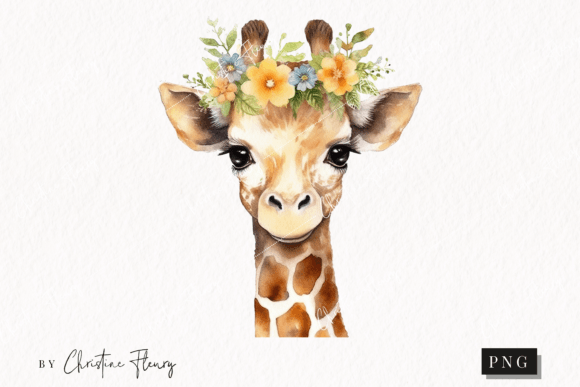
Watercolor Baby Giraffe Clipart: An Embroidery Review
As a professional embroidery designer and product reviewer, I approach every new digital asset with a critical eye. When evaluating Watercolor Baby Giraffe Clipart for potential use in machine embroidery projects, my first question is always practical: will this translate beautifully from screen to stitch? Illustrations in the watercolor style possess a unique softness that can be challenging yet rewarding to replicate in thread. This review breaks down how this specific design performs in real-world applications, focusing on technical viability, aesthetic appeal, and commercial value for makers and shop owners.
First Impressions and Visual Personality
Upon opening the Watercolor Baby Giraffe Clipart, the immediate impression is one of gentle nostalgia and nursery-ready charm. The design avoids harsh lines, relying instead on soft gradients and organic shapes that define the watercolor genre. For an embroidery designer, this visual personality suggests a specific niche. It does not scream "sportswear" or "corporate branding." Instead, it naturally belongs in the realm of baby embroidery, personalized gifts, and boutique children’s apparel.
The mood is undeniably sweet, but as a digitizer or embroiderer, I am looking at the edge definition. Watercolor clipart often features blended edges where color fades into transparency. In a machine embroidery design, we cannot stitch transparency. Therefore, the success of this artwork depends entirely on how well those soft edges have been interpreted into stitch types. If the conversion utilizes too many dense fill stitches to mimic paint, the result can be stiff and bulletproof. However, if the design leverages running stitches and lighter density fills to suggest texture, it retains that airy, artistic quality essential for high-end handmade products.
Real-World Application: The Custom Sweatshirt Test
To truly evaluate this asset, I mentally placed it into a current client project: a custom embroidered sweatshirt for a toddler’s first birthday. This is a common request for Etsy sellers and small shop owners. Sweatshirts are typically made of cotton-polyester fleece, which has a slight pile and stretch. This fabric texture presents both opportunities and challenges for Watercolor Baby Giraffe Clipart.
In this scenario, the giraffe serves as the central focal point on the chest. Because the illustration likely contains multiple pastel shades, thread color selection becomes paramount. Unlike bold vector art, watercolor requires nuanced thread colors to avoid looking muddy. I found that testing the design on a scrap piece of similar fleece was non-negotiable. On the actual garment, the design needed to sit flat without puckering. The soft nature of the giraffe illustration demands a stabilizer strategy that supports the fabric without adding excessive bulk. A medium-weight cut-away stabilizer proved ideal here, maintaining registration for the intricate details while allowing the sweatshirt to remain comfortable for a child.
For this specific sweatshirt embroidery project, the clipart elevated the perceived value of the finished product. Customers associate watercolor aesthetics with bespoke, artisanal quality. When executed correctly, this design transforms a basic blank garment into a premium personalized gift that justifies a higher price point than standard cartoon character embroidery.
Technical Considerations and Fabric Limitations
While Watercolor Baby Giraffe Clipart shines on stable knits and woven cottons, there are environments where caution is required. As an experienced reviewer, I must highlight where this design might struggle:
- Textured Fabrics: On terry cloth towels or heavy canvas tote bags, the subtle shading of watercolor can get lost. The fabric texture competes with the stitch texture. If using this for a tote bag design or kitchen towel, consider placing a solid fabric backing or applique base behind the giraffe to create a smooth canvas for the stitches.
- Stretchy Performance Wear: High-stretch athletic fabrics are generally poor candidates for detailed watercolor illustrations. The stitch density required to render the shading can restrict the fabric's movement, leading to popped threads or distortion. Stick to low-stretch materials for this specific art style.
- Dark Fabrics: Watercolor is inherently translucent. Stitching light pastel giraffes onto navy or black fabric requires significant underlay and white base layers to make the colors pop. This increases stitch count and density significantly. Always test contrast on dark backgrounds before committing to a full production run.
- Small Hoop Sizes: Reducing complex illustrations to fit 4x4 hoops often destroys detail. Tiny facial features or delicate spots on the giraffe may turn into indistinguishable blobs. Verify the minimum recommended size for the embroidery file to ensure clarity.
Commercial Viability for Makers and Sellers
For Etsy sellers, craft business owners, and creative entrepreneurs, Watercolor Baby Giraffe Clipart offers distinct commercial advantages. The nursery market is evergreen, and gender-neutral animal themes like giraffes have broad appeal. This design works exceptionally well across multiple product categories beyond apparel. I can easily visualize this as an embroidered patch for denim jackets, a centerpiece for nursery pillow covers, or even a delicate motif on baby bibs and blankets.
From a branding perspective, consistency builds trust. Using cohesive illustration styles across your shop creates a recognizable aesthetic. If you already offer watercolor florals or woodland creatures, this giraffe integrates seamlessly. Furthermore, for those selling digital assets or printable mockups, this clipart provides excellent marketing material. High-quality visuals of the design stitched out on realistic blanks help bridge the gap between digital file and physical expectation, increasing buyer confidence.
However, professionalism extends beyond aesthetics. Before listing any finished product derived from this clipart, you must confirm licensing. Ensure your purchase includes commercial rights for physical embroidery sales. Never assume; always verify. Protecting your business means respecting intellectual property while delivering original, value-added handmade goods to your customers.
Designer Notes for Optimal Results
To get the most out of Watercolor Baby Giraffe Clipart in your embroidery workflow, adhere to these practical guidelines:
- Test Stitching is Mandatory: Never run this design directly on a final product without a test sew-out. Watercolor conversions vary wildly in quality. Check for jump stitches, registration issues, and excessive density.
- Evaluate Stitch Types: Inspect the design in your editing software. Are the outlines satin stitch or running stitch? For watercolor, softer running stitch borders often look more authentic than rigid satin edges. Adjust if necessary to match the artistic intent.
- Mockup in Black and White: Before selecting threads, view the design in grayscale. This reveals the value structure independent of color. If the giraffe looks flat in black and white, it will lack dimension in thread, regardless of your color choices.
- Stabilizer Selection: Match your stabilizer to the fabric weight and the design density. Watercolor designs can be deceptively dense due to layered shading. Use adequate support to prevent hoop burn and distortion.
- Check File Compatibility: Confirm the digital embroidery file format matches your machine. While most formats are universal, some older machines struggle with complex color changes or large stitch counts found in detailed illustrations.
Ultimately, Watercolor Baby Giraffe Clipart is a versatile asset for the thoughtful embroiderer. It bridges the gap between digital art and tactile craft, offering a softness that resonates deeply with customers seeking meaningful, handmade items. By approaching this design with technical awareness and respect for the medium, you can transform a simple illustration into a cherished keepsake or a best-selling shop staple. Remember, the magic lies not just in the file itself, but in your skilled interpretation of it through needle and thread.