Watercolor Duck Clipart: An Embroidery Review
When evaluating digital assets for machine embroidery, the transition from screen to stitch is where the real test begins. As a designer who regularly sources graphics for custom apparel and handmade products, I approach the Watercolor Duck Clipart Watercolor file with a specific set of criteria. It is not enough for an illustration to be visually pleasing on a monitor; it must possess the structural integrity required for needle and thread. This review examines how this particular watercolor duck graphic performs when adapted for real-world embroidery projects, specifically focusing on its viability for small business owners and crafters looking to create sellable goods.
First Impressions and Visual Personality
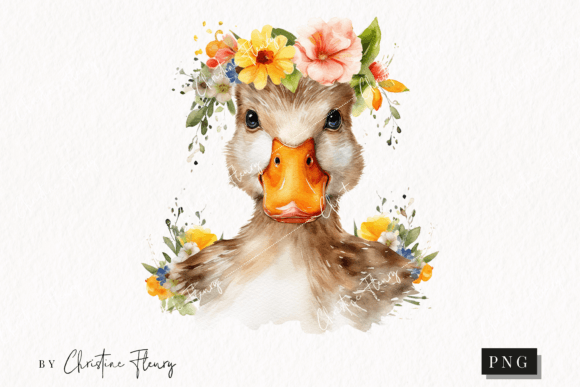
Upon opening the Watercolor Duck Clipart Watercolor file, the immediate impression is one of softness and organic charm. Unlike rigid vector art or high-contrast line drawings, watercolor illustrations carry an inherent mood that suggests nostalgia and gentleness. For an embroidery designer, this presents both an opportunity and a challenge. The visual personality here leans heavily toward nursery decor, springtime collections, and cottage-core aesthetics. The edges are naturally diffused, which means the design lacks the hard boundaries typical of traditional applique design files. This softness creates a beautiful, painterly effect but requires careful consideration regarding stitch density and fabric texture. It feels less like a bold logo and more like a delicate accent, making it ideal for personalized gifts rather than high-visibility commercial branding.
Real-World Application: The Baby Tote Test
To truly judge the utility of this asset, I mentally placed it into a current client project: a personalized canvas tote bag intended as a baby shower gift. In this scenario, the Watercolor Duck Clipart Watercolor serves as the central motif, paired with a simple running stitch name below. Canvas is a forgiving fabric texture, but it can also swallow fine details if the digitizing isn't adjusted correctly.
In this application, the watercolor aesthetic translates well because the slight irregularities of the canvas complement the artistic style of the duck. However, because watercolor relies on color blending, achieving this look in embroidery requires strategic use of fill stitch and thread colors. You cannot simply rely on a single solid block of color. The design demands variegated threads or multiple shades of satin stitch to mimic the wet-on-wet look of paint. For a handmade product like this, the result is a premium, boutique feel that justifies a higher price point compared to standard clipart embroidery. Customers respond to this level of artistry because it feels curated and intentional, elevating the perceived value of the finished product.
Navigating Fabric Limitations and Stabilizer Needs
While the design shines on stable fabrics like canvas or cotton twill, caution is necessary when applying Watercolor Duck Clipart Watercolor to more challenging materials. If you are planning sweatshirt embroidery or working with stretchy knits, the lack of defined outlines in the original illustration can lead to registration issues. Without a clear border to anchor the design, the soft edges may blur into the fabric pile during stitching.
For dark fabrics, this specific type of illustration requires extra preparation. Watercolor effects generally rely on light reflecting off white or cream bases. Stitching this directly onto navy or black material will likely result in a muddy appearance unless you first lay down a solid white underlay or utilize an applique design technique with white fabric. Additionally, textured fabrics like terry cloth or fleece can obscure the subtle gradients that make this clipart special. In these cases, using a heavy-duty stabilizer and potentially a topping is non-negotiable to maintain stitch clarity. Always verify your hoop size before committing, as resizing watercolor-style designs too aggressively can distort the delicate balance of the artwork.
Commercial Viability for Etsy Sellers and Makers
For Etsy sellers and creative entrepreneurs, the question of profitability is paramount. Does Watercolor Duck Clipart Watercolor offer enough versatility to justify the investment? From a commercial embroidery perspective, this asset excels in niche markets. It is perfectly suited for holiday embroidery themes involving Easter or spring, nursery bedding, and customized bibs. However, it may be less effective for corporate merchandise or team uniforms where crisp lines and high contrast are required.
The design’s strength lies in its emotional resonance. When creating printable mockups for digital product listings, ensure the mockup accurately represents the stitched texture. Misleading customers with a flat digital image when the actual embroidered patch has significant dimension can harm buyer trust. Conversely, showing a realistic representation of how the watercolor effect translates to thread builds confidence. For those selling physical items, this design pairs exceptionally well with natural fibers and muted thread palettes, reinforcing a cohesive brand identity that appeals to buyers seeking authentic, handmade quality.
Critical Designer Notes for Successful Execution
Before loading this embroidery file into your machine, adhere to these practical guidelines to ensure professional results:
- Test Stitch on Scrap Fabric: Never assume the digital preview matches the output. Run a test on the exact fabric and stabilizer combination you intend to use for the final project to check for puckering or gaps.
- Evaluate Stitch Density: Watercolor styles can sometimes be overly dense as the software attempts to replicate paint coverage. Check if the design needs density reduction to prevent stiff, bulletproof embroidery, especially for baby clothes.
- Thread Color Contrast: Verify that your chosen thread colors provide enough contrast against each other to show the "watercolor" variation. Monochromatic schemes often fail to capture the depth of this illustration style.
- Check Licensing Terms: Before listing any finished product or digital embroidery file derived from this clipart, confirm the specific license allows for commercial use. Assumptions here can lead to legal issues for your craft business.
- Mockup Accuracy: When creating marketing assets, compare light and dark fabric backgrounds. Ensure your digital previews reflect the reality of how thread interacts with the material.
- Detail Inspection: Zoom in to inspect tiny details. Elements that look fine at 4 inches may become indistinguishable blobs at 2 inches. Adjust minimum stitch lengths accordingly.
Final Verdict on Design Assets
Watercolor Duck Clipart Watercolor is a charming and versatile asset for the right context. It brings a sophisticated, artistic touch to embroidery projects that standard vectors often lack. Its success depends entirely on the maker's willingness to adapt their technique to suit the medium. By respecting the limitations of stitch versus paint, and by selecting appropriate applications like nursery decor or personalized gifts, this illustration can become a staple in your design library. For the experienced embroiderer willing to tweak density and manage stabilizers, it offers a pathway to creating distinctive, high-value items that stand out in a crowded marketplace. Always prioritize testing and fabric compatibility to ensure your finished product honors both the original art and the craft of embroidery.