Lunch Watercolor Clipart: An Embroidery Review
As a professional embroidery designer and product reviewer, I approach every new digital asset with a critical eye. When evaluating Lunch Watercolor Clipart, my primary concern is not just how pretty the illustration looks on a screen, but how it translates into thread on fabric. Watercolor aesthetics are notoriously difficult to replicate in machine embroidery because they rely on soft gradients and transparency, whereas embroidery relies on solid stitch coverage and texture. After analyzing this collection for potential use in client projects and shop inventory, I have found that these illustrations offer significant value, provided they are treated as foundational design assets rather than direct stitch maps.
First Impressions and Visual Personality
The initial mood of the Lunch Watercolor Clipart collection is undeniably nostalgic and organic. The soft edges and muted color palettes evoke a sense of handmade warmth that is currently trending in the Etsy marketplace. For an embroidery business, this visual personality is gold. It moves away from the rigid, cartoonish look of standard digitized clipart and offers something that feels more like a painted textile. However, as a reviewer, I immediately noted that the "watercolor" effect means the edges are feathered. In a digital file, this is beautiful; in an embroidery hoop, feathered edges can look messy if not properly defined during the digitizing process.
This collection feels best suited for projects that celebrate domesticity and comfort. It naturally belongs on items associated with food, family gatherings, and gentle aesthetics. If you are planning a line of kitchen textiles or baby shower gifts, the thematic consistency here is strong. The illustrations possess enough character to stand alone as a focal point, yet they remain subtle enough to serve as background elements for personalized text.
Real-World Application: The Custom Tea Towel Project
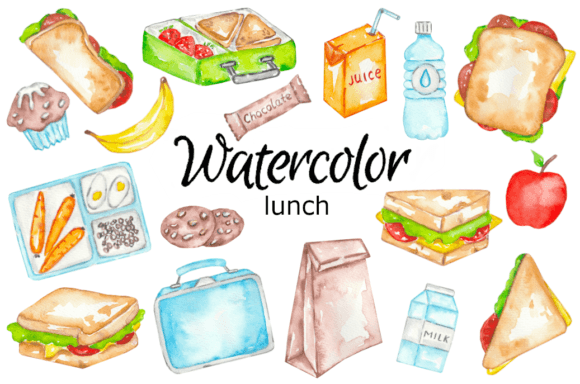
To truly test the viability of these assets, I mentally walked through a recent commission: a set of custom tea towels for a boutique bakery opening. The client wanted branding that felt artisanal, not corporate. Using the Lunch Watercolor Clipart as a base, I could visualize creating a border design featuring scattered lunch-themed elements like sandwiches, fruits, and utensils.
In this scenario, the watercolor style serves as a perfect backdrop for satin stitch lettering. Because the clipart has softer contrast, bold typography pops without competing for attention. I considered using these illustrations as applique designs. By printing the watercolor art directly onto cotton fabric and then stitching over it with a running stitch outline, you preserve the true gradient of the watercolor while adding the tactile value of embroidery. This hybrid approach is often superior to trying to simulate watercolor shading entirely with fill stitches, which can result in excessive stitch density and stiff fabric. For the bakery project, this method would ensure the tea towels remained absorbent and functional, rather than becoming bulletproof vests due to dense thread coverage.
Performance Across Different Substrates
Versatility is key for any commercial embroidery file or design asset. The Lunch Watercolor Clipart performs exceptionally well on natural fibers. Linen, cotton canvas, and flour sack toweling provide the necessary texture to enhance the watercolor aesthetic. The slight irregularity of these fabrics complements the organic nature of the illustrations. For sweatshirt embroidery, specifically on heavyweight French terry, these designs work beautifully when placed on the chest or sleeve. The matte finish of the terry cloth absorbs light similarly to watercolor paper, making the transition from digital art to finished product seamless.
However, caution is required when applying these designs to performance wear or high-sheen synthetics. The smooth surface of polyester or nylon can make watercolor-style embroidery look flat or plastic-like. Furthermore, if you are creating baby embroidery items, the softness of the design is appropriate, but you must ensure the backing is skin-safe. Watercolor simulations often require complex underlay to prevent gaps, which can create scratchy backsides on delicate garments. Always prioritize comfort over visual complexity when working with infant apparel.
Navigating Technical Constraints and Fabric Limitations
While the artistic merit is high, practical application requires vigilance. Small hoop sizes present the biggest challenge for this type of artwork. Watercolor details often get lost when scaled down below three inches. If you attempt to shrink these illustrations for a cap or a small patch, the subtle color transitions may turn into muddy blocks of thread. I strongly advise against using these specific assets for detailed corners or tiny lettering integration unless you are an advanced digitizer capable of reworking the internal structure.
Dark fabrics also pose a risk. Watercolor clipart typically assumes a white or light background to achieve its luminosity. Stitching these designs onto black or navy fabric without a white underlay base will result in dull, lifeless colors. You would need to create a solid white foundation first, essentially turning the project into an applique or a heavy fill stitch area. This increases production time and material costs. For craft business owners operating on tight margins, reserve these designs for light-colored blanks to maintain efficiency and color accuracy.
Stretchy fabrics like ribbed knits require extra stabilization. The organic shapes in the Lunch Watercolor Clipart can distort easily if the fabric shifts during stitching. Use a cut-away stabilizer and consider a topping to prevent stitches from sinking into the knit texture. Without these precautions, your beautiful watercolor lunch scene could end up looking warped and unprofessional.
Elevating Product Value and Customer Trust
In the saturated market of handmade products, presentation dictates price. Utilizing high-quality illustrations like these signals professionalism to buyers. When customers see a cohesive, artistically rendered design on a tote bag or pillow cover, they perceive higher value than they do with generic, jagged stock vectors. These illustrations help bridge the gap between digital art and traditional needlework, appealing to modern buyers who appreciate mixed-media aesthetics.
For Etsy sellers and creative entrepreneurs, these assets also streamline the creation of printable mockups. Before you even stitch a sample, you can place the Lunch Watercolor Clipart onto digital product templates to gauge customer interest. This allows for low-risk market testing. However, always verify that your licensing permits this specific use. Transparency builds trust; if you are selling finished goods based on these illustrations, be prepared to answer questions about the design origin. Customers value authenticity, and being able to explain your design process enhances their connection to your brand.
Essential Designer Notes for Success
Before committing these illustrations to a commercial run or a cherished personalized gift, adhere to these practical protocols:
- Test Stitch First: Never assume a digital preview equals reality. Run a test on scrap fabric that matches your final project weight. Check for registration issues where colors meet.
- Evaluate Thread Colors: Watercolor palettes often require blending. Ensure your machine thread inventory includes variegated or blended threads to mimic gradients effectively. Solid colors may look too stark.
- Check Stabilizer Compatibility: Match your stabilizer to the fabric texture. Tear-away is rarely sufficient for watercolor-style fills; opt for cut-away or fusible mesh for stability.
- Review Licensing Terms: Confirm whether the Lunch Watercolor Clipart license covers commercial embroidery sales, digital file redistribution, or mockup usage. Do not guess; read the terms explicitly.
- Inspect Detail Clarity: Zoom in to 100% on your screen. If lines disappear or blur at actual size, they will not stitch well. Simplify or enlarge the design as needed.
- Contrast Check: View the design in grayscale. If the values are too similar, the embroidery will lack definition regardless of thread color choice.
Ultimately, the Lunch Watercolor Clipart collection represents a versatile tool for the thoughtful maker. It bridges the gap between fine art illustration and textile craft, offering a fresh alternative to standard embroidery motifs. By respecting the technical limitations of thread and fabric, and by leveraging the design's inherent warmth, you can create embroidered products that feel both timeless and contemporary. Whether you are outfitting a boutique, fulfilling custom orders, or expanding your digital asset library, these illustrations provide a solid foundation for creative, profitable, and beautiful embroidery work.