Baby Dragon Dinosaurs Watercolor: An Embroidery Review
As a professional embroidery designer and product reviewer, I approach every new digital asset with a critical eye toward stitchability and marketability. When evaluating the Baby Dragon Dinosaurs Watercolor design, my primary focus is not just on the artistic merit of the illustration, but on how those soft, painterly edges will translate into physical thread. For makers, Etsy sellers, and apparel decorators, the gap between a beautiful screen image and a successful embroidered patch or sweatshirt is where businesses succeed or fail. This review breaks down the practical realities of using this specific machine embroidery design in a commercial or high-end hobbyist setting.
Translating Painterly Aesthetics to Thread
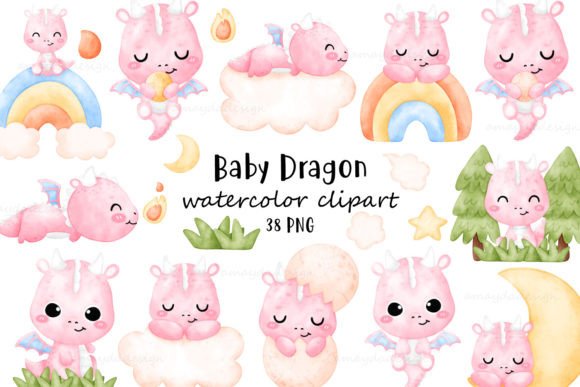
The immediate appeal of Baby Dragon Dinosaurs Watercolor lies in its whimsical, storybook quality. Unlike rigid vector art, watercolor illustrations rely on soft gradients and organic boundaries. In the context of an embroidery file, this presents a unique challenge and opportunity. The mood is undeniably gentle, making it a natural fit for nursery decor, baby clothes, and personalized gifts. However, as a designer, I look for how the digitizer handled those soft edges. Does the design use excessive underlay that might stiffen a delicate onesie? Are the color transitions achieved through blending stitches that require precise tension?
When reviewing this style of Illustrations for embroidery, I am looking for a balance between artistic integrity and structural stability. A successful watercolor-style embroidery project should retain the fluidity of the original art without becoming a dense, bulletproof patch of thread. If the stitch density is too high in an attempt to replicate paint opacity, the fabric will pucker, and the drape will be ruined. Conversely, if it is too sparse, the design may look unfinished against textured fabrics like linen or canvas. This particular aesthetic demands a digitizing approach that respects the lightweight nature of the subject matter.
Real-World Application: The Custom Tote Bag Test
To truly evaluate the viability of Baby Dragon Dinosaurs Watercolor, I mentally place it in a real-life production scenario. Consider preparing a custom embroidered tote bag for a boutique holiday collection. Tote bags are typically made of cotton canvas or duck cloth, which have distinct weaves that can swallow fine details. For this application, the design needs enough presence to stand out against the fabric texture without requiring so much stabilizer that the bag loses its utility.
In this scenario, I would assess whether the design functions better as a standalone centerpiece or as part of a larger layout. For a tote bag design, the watercolor style offers a premium, handmade feel that distinguishes it from mass-produced screen prints. Customers associate this aesthetic with care and artistry, which justifies a higher price point for small shop products. However, because tote bags endure significant wear and washing, I must verify that the satin stitch borders (if any) are secure and that fill stitch areas are anchored properly to prevent snagging. If the Baby Dragon Dinosaurs Watercolor design relies heavily on running stitches for detail, I would advise testing on scrap canvas first to ensure those lines do not disappear into the weave.
Navigating Fabric Limitations and Hoop Constraints
While this design shines on stable substrates, caution is required when applying it to more challenging materials. As an experienced crafter, I know that watercolor-style designs often struggle on dark fabrics unless they include a solid white underlay base. Without this foundation, the pastel thread colors typical of this theme can look muddy or transparent against navy or black sweatshirts. Always check your embroidery file preview to see if a background layer is included before committing to dark apparel.
Stretchy fabrics like jersey knits and performance wear also demand attention. The organic shapes of baby dragons can distort easily if the stabilizer choice is incorrect. For baby embroidery on stretchy bodysuits, a cut-away stabilizer is usually non-negotiable to maintain the shape of the design after washing. Furthermore, be mindful of hoop size limitations. Watercolor effects often require larger stitch fields to render gradients effectively. Trying to shrink this design down to a 2x2 inch cap logo may result in lost definition and thread breaks. Always confirm the minimum recommended size in the design assets documentation to preserve visual clarity.
Commercial Value and Customer Perception
For Etsy sellers and creative entrepreneurs, the visual presentation of the finished product is paramount. Baby Dragon Dinosaurs Watercolor possesses a high "giftability" factor. It taps into current trends regarding fantasy nursery themes and gender-neutral baby items. When creating printable mockups for your listings, ensure the digital preview accurately reflects the texture of embroidery rather than just showing the flat digital file. Buyers need to understand they are purchasing a textile product, not a print.
This design also serves well for commercial embroidery branding for children’s boutiques or daycare centers. The softness of the illustration communicates safety and warmth, aligning perfectly with brands targeting parents. However, professionalism hinges on execution. A poorly hooped or tension-imbalanced stitch-out of such a detailed design can damage brand trust. Before listing any item featuring this design, produce a physical sample. Photograph the actual stitched texture to build customer confidence. Authenticity sells, especially in the handmade product market.
Essential Designer Notes for Success
Before you load this digital embroidery file into your machine, run through this practical checklist to ensure professional results:
- Test Stitch on Scrap Fabric: Never run a new design directly on a final product. Test on a fabric swatch that matches your intended project’s weight and weave to check for puckering or registration issues.
- Verify Stabilizer Pairing: Match your stabilizer to the fabric, not just the design. Lightweight tear-away may suffice for quilting cotton, but fleece and knits require cut-away support for watercolor-style fills.
- Check Thread Color Contrast: Watercolor palettes are often low-contrast. Ensure your thread colors have enough differentiation so the dragon’s features remain visible from a distance.
- Review Licensing Terms: Confirm whether your purchase allows for commercial use on finished products versus digital redistribution. Protecting your craft business starts with respecting intellectual property.
- Inspect Small Details: Zoom in on the embroidery file to check for tiny satin stitch columns. If they are thinner than 1mm, they may break needles or fray; consider editing them to running stitches for durability.
- Mockup Reality Check: Compare light and dark fabric backgrounds in your planning phase. Determine if you need to add a white underlay base manually if one is not provided.
Final Thoughts on Design Versatility
Baby Dragon Dinosaurs Watercolor represents a versatile asset for the modern embroiderer, bridging the gap between digital art and tangible craft. Its success in your shop or studio depends entirely on technical mindfulness. By understanding how watercolor aesthetics interact with stitch density, fabric texture, and hoop tension, you transform a simple illustration into a high-value embroidered patch, sweatshirt embroidery, or cherished keepsake. Whether you are creating holiday embroidery for a seasonal pop-up or building a permanent line of custom apparel, treat this design with the technical respect it requires. The result will be a finished product that feels as magical as the artwork itself, backed by the quality and durability your customers expect.