Pine Trees Watercolor Clipart: An Embroidery Review
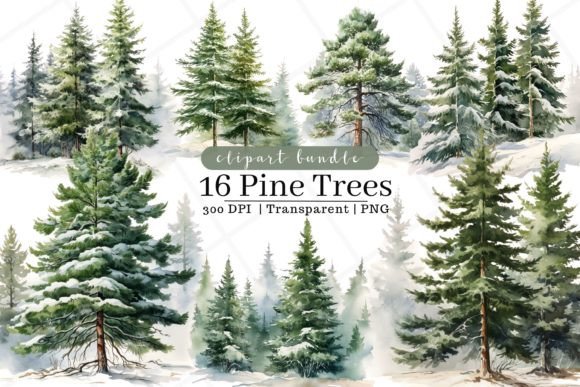
As a professional embroidery designer and product reviewer, I approach every new asset with a specific question: will this actually translate from screen to stitch? When evaluating Pine Trees Watercolor Clipart, my first impression is one of serene versatility. Unlike rigid vector art or overly complex photorealistic images, these illustrations possess an organic softness that mimics the natural flow of thread. The watercolor aesthetic suggests gentle color blending and undefined edges, which can be challenging for digitizing but rewarding when executed correctly. For makers and Etsy sellers, this style bridges the gap between modern digital art and traditional needlework, offering a mood that feels both nostalgic and contemporary.
Translating Soft Edges into Stitched Reality
The primary challenge and opportunity with watercolor-style illustrations in machine embroidery is capturing the gradient without creating excessive bulk. In my assessment of Pine Trees Watercolor Clipart, the design’s strength lies in its implied texture rather than precise lines. When converting this into an embroidery file, I look for opportunities to utilize blend stitches or light fill stitches that allow the fabric texture to show through. A solid satin stitch border often kills the watercolor vibe; instead, running stitches or ragged edge applique designs tend to honor the original artistic intent.
For creative entrepreneurs, understanding this translation is vital. You are not merely printing an image; you are interpreting it. The pine tree motif naturally lends itself to layered stitching where lighter greens sit atop darker bases, creating depth. This visual personality makes the design feel hand-painted rather than manufactured, a crucial distinction for customers seeking authentic handmade products. If the clipart features heavy saturation, be prepared to manage stitch density carefully to prevent puckering on lighter fabrics.
Real-World Application: The Custom Tote Bag Test
To truly evaluate the commercial viability of Pine Trees Watercolor Clipart, I mentally placed it on a natural canvas tote bag—a staple for small shop products and craft fair inventory. Canvas provides an excellent, stable base for this type of design because its weave complements the rustic nature of pine trees. In this scenario, I envisioned the trees positioned slightly off-center, allowing space for personalized text below using a simple serif font.
The watercolor effect requires specific attention during the tote bag embroidery process. Because canvas is porous, I would recommend using a tear-away stabilizer underneath and potentially a lightweight topping to keep the stitches from sinking into the fabric weave. The result is a finished product that feels like a boutique item rather than mass-produced merchandise. For Etsy sellers, this specific application highlights how the softness of the illustration adds perceived value. Customers are drawn to the imperfect, artistic quality of watercolor pine trees on utilitarian items, making them ideal for eco-friendly branding, teacher gifts, or outdoor-themed wedding favors.
Navigating Fabric Choices and Hoop Limitations
While Pine Trees Watercolor Clipart is versatile, it demands respect for fabric physics. Not every textile is a suitable canvas for this aesthetic. Here is my practical breakdown of where this design thrives and where caution is required:
- Sweatshirts and Fleece: Excellent choice. The fuzzy texture of fleece hides minor stitch imperfections and enhances the soft watercolor look. However, use a cut-away stabilizer to prevent distortion during wear and washing.
- Baby Clothes and Onesies: Proceed with care. Watercolor designs can sometimes become dense if not digitized specifically for delicate fabrics. Ensure the embroidery file uses low-density fills to keep the garment soft against sensitive skin. Always test on a scrap piece first.
- Caps and Curved Surfaces: Use cautiously. The vertical nature of pine trees can distort on curved cap fronts unless the design is specifically resized or re-digitized for caps. Flat brims or structured caps work better than unstructured ones for maintaining the tree's silhouette.
- Dark Fabrics: Watercolor relies on luminosity. On black or navy fabric, the design may lose its ethereal quality unless you incorporate a white underlay or choose a version of the clipart with higher contrast. Test thread colors against dark backgrounds before committing to production.
- Tea Towels and Linens: Ideal for holiday embroidery and kitchen decor. The absorbency of linen pairs beautifully with the matte finish of embroidery thread, enhancing the painted look.
Commercial Viability for Makers and Sellers
For those running a craft business or selling digital embroidery files, Pine Trees Watercolor Clipart offers significant seasonal and evergreen potential. The pine tree motif is obviously strong for holiday embroidery, but its watercolor treatment elevates it beyond standard Christmas kitsch. It works equally well for winter solstice collections, forest-themed nursery decor, or Pacific Northwest regional merchandise.
When listing finished products, presentation matters. I strongly advise creating printable mockups that accurately reflect the stitched texture. Digital buyers need to see how the watercolor translates to thread. If you are selling the digital embroidery file itself, provide clear notes on recommended stabilizers and fabric types. Transparency builds customer trust and reduces support inquiries. Furthermore, always verify your licensing. Just because you purchased the clipart does not automatically grant commercial embroidery rights. Confirm whether you can sell the digitized files or only the physical embroidered patches and apparel. Respecting intellectual property is non-negotiable for professional brand consistency.
Essential Designer Notes Before You Stitch
Before loading Pine Trees Watercolor Clipart into your machine, run through this practical checklist to ensure professional results:
- Verify File Compatibility: Ensure the embroidery file format matches your machine. Never assume a generic file will auto-convert perfectly; watercolor gradients often require manual digitizing adjustments.
- Check Stitch Density: Open the file in your editing software. If the fill stitch density exceeds 0.4mm for large areas, consider reducing it to prevent stiffness. Watercolor should feel fluid, not armored.
- Test Color Contrast: View the design in grayscale. If the pine trees disappear without color, the design lacks sufficient value contrast for embroidery. Adjust shading or add outline definition if necessary.
- Stabilizer Selection: Match stabilizer weight to fabric, not just design size. A 4x4 hoop size on quilting cotton needs different support than the same size on denim.
- Wash Testing: Watercolor effects can degrade if threads bleed or shrink unevenly. Wash your test swatch exactly as you would instruct customers to wash the final product.
- Mockup Accuracy: When creating listings, avoid flat digital overlays. Photograph actual samples or use high-quality textured mockups that simulate thread sheen and fabric grain.
Evaluating Pine Trees Watercolor Clipart reveals a design asset rich with potential for thoughtful makers. It rewards patience and technical understanding with finished products that possess genuine artistic soul. Whether you are crafting a personalized gift for a nature lover or building a cohesive collection for your Etsy shop, success lies in respecting the medium. Treat the watercolor source as inspiration for thread play, not just a picture to be filled. By balancing aesthetic softness with structural integrity, you transform digital illustrations into tangible heirlooms that resonate with buyers seeking beauty and craftsmanship in equal measure.