Watercolor Chestnut Horse PNG Clipart Review
Evaluating Artistic Flow for Machine Embroidery
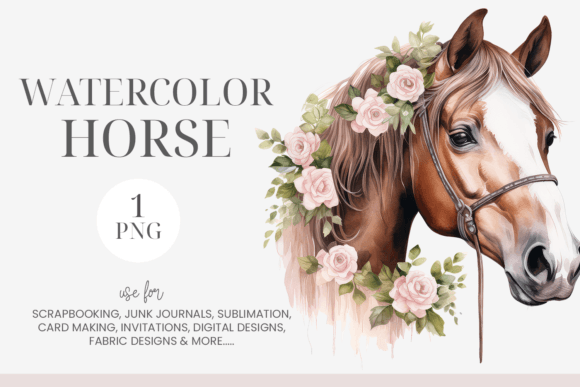
As a designer who bridges the gap between digital illustration and tangible thread, I approach every new asset with a specific question: will this translate beautifully from screen to fabric? When evaluating the Watercolor Chestnut Horse PNG Clipart, my first impression is one of organic warmth. Unlike rigid vector art or hyper-realistic photographs, this illustration carries a softness that mimics the natural texture of embroidery thread. The chestnut tones suggest a rich palette of rusts, coppers, and warm browns that are inherently forgiving in stitch work. For those of us creating custom apparel or personalized gifts, this aesthetic avoids the harshness that sometimes plagues digitized animal portraits.
The shape and layout of this clipart feel balanced for center-chest placement on sweatshirts or as a focal point on a tote bag. It possesses enough visual weight to stand alone without needing excessive framing or text. However, because watercolor relies on color blending and transparency, the success of this design as a machine embroidery design depends entirely on how it is interpreted during digitization. As a reviewer, I am looking for whether the source art supports smooth gradients via thread blending or if it requires complex fill stitches that could compromise the garment's drape.
Real-World Application: The Custom Sweatshirt Test
To truly judge the viability of Watercolor Chestnut Horse PNG Clipart, I mentally placed it into a current client project: a premium heavyweight cotton sweatshirt intended for an equestrian boutique. In this scenario, the goal was to create a handmade product that felt high-end rather than like generic merchandise. The watercolor style lends itself perfectly to this vibe, offering an artistic, almost vintage quality that appeals to modern buyers.
When planning this sweatshirt embroidery, I considered how the chestnut hues would interact with cream, sage green, and navy fleece backgrounds. The illustration’s inherent contrast makes it versatile across these common apparel colors. For a craft business or Etsy seller, this versatility is crucial. You do not want to stock five different versions of a horse design for different shirt colors; you need one strong embroidery file that adapts well. This clipart provides that flexibility. Furthermore, for holiday embroidery or autumn collections, the warm chestnut palette naturally aligns with seasonal trends without requiring additional decorative elements.
I also envision this working exceptionally well for nursery decor. A baby embroidery project demands softness, both visually and physically. The flowing lines of a watercolor horse avoid sharp edges, making it ideal for blankets or pillow covers where tactile comfort is paramount. If you are selling digital embroidery files based on this art, marketing it specifically for nursery themes could significantly expand your customer base beyond just equestrian enthusiasts.
Navigating Fabric Limitations and Technical Constraints
While the artistic merit is high, practical application requires caution. Watercolor aesthetics often imply varying opacity, which can be tricky on certain substrates. Here is where I advise fellow makers to pause and assess their materials before hooping up.
- Dark Fabrics: Watercolor effects rely on light passing through layers. On black or dark charcoal fabric, the subtle gradations of the chestnut coat may disappear unless the digitizer has included a white underlay base. Always test on a dark scrap first to ensure the design doesn't look muddy.
- Stretchy Knits: If using this for a lightweight t-shirt or ribbed knit, the stitch density required to replicate watercolor shading can cause puckering. Ensure you are using appropriate stabilizer and consider reducing density in the digitizing phase if the source allows.
- Textured Surfaces: Avoid using highly detailed watercolor interpretations on terry cloth towels or heavy canvas. The fabric texture will compete with the delicate brushstroke effects, resulting in a loss of definition. Smooth cottons, linens, and poly-cotton blends are superior choices for preserving the integrity of the Illustrations.
- Small Hoop Sizes: Reducing a watercolor design too much destroys the gradient effect. If you need a 2-inch version for a cap or sleeve cuff, verify that the details remain distinct. Sometimes, a simplified outline or applique design version is better for small formats than forcing a complex fill stitch into a tiny space.
Impact on Perceived Value and Brand Consistency
In the competitive landscape of handmade goods, presentation dictates price. Using high-quality source art like Watercolor Chestnut Horse PNG Clipart elevates the perceived value of the finished product. Customers recognize the difference between clip-art-style cartoons and genuine artistic illustrations. When I review products for potential resale or personal use, I look for assets that build brand trust. A cohesive, professional aesthetic suggests that the maker cares about every detail.
For commercial embroidery businesses, consistency is key. If you offer this horse design as part of a larger collection, ensure the watercolor style matches your other offerings. Mixing stark vectors with soft watercolors can confuse buyers. This particular clipart serves as an excellent anchor piece for nature-inspired or rustic collections. Additionally, for those creating printable mockups or listing photos, the PNG format allows for clean layering over product templates, helping customers visualize the final result before purchasing the design assets.
Essential Designer Notes Before Stitching
Before you commit this design to a final project or list it in your shop, run through this practical checklist. These steps save time, thread, and reputation.
- Verify Licensing: Confirm whether the license permits commercial use for physical products, digital files, or both. Never assume; always check the specific terms provided with the Watercolor Chestnut Horse PNG Clipart.
- Thread Color Mapping: Watercolor translates best when using variegated threads or multiple shades of the same hue. Plan your thread colors in advance to capture the depth of the chestnut coat. Flat single-color fills will make the design look lifeless.
- Density Check: Inspect the embroidery file for overly dense areas. Watercolor should feel airy. If the digitization is too packed, edit the density down by 10-15% to maintain fabric hand and prevent needle breaks.
- Contrast Testing: Run a grayscale simulation in your software. If the design reads clearly in black and white, it will stitch well. If it turns into a gray blob, adjust the contrast values in the digitizing software.
- Stabilizer Selection: Match your support to the fabric. Use cut-away for knits and tear-away for wovens. For sheer or lightweight fabrics where watercolor effects shine, consider organza or wash-away stabilizers to keep the back clean.
- Mockup Validation: Create a realistic digital preview using the original PNG before stitching. This helps identify spacing issues or color clashes that might not be obvious in the raw file.
Ultimately, Watercolor Chestnut Horse PNG Clipart represents a beautiful intersection of digital art and textile craft. It offers Etsy sellers, hobbyists, and professional decorators a chance to create emotionally resonant items that stand out in a saturated market. By respecting the technical requirements of translating paint to thread, you can turn this lovely illustration into a staple of your creative repertoire. Whether it ends up on a cherished baby blanket, a boutique sweatshirt, or a custom patch, the key lies in thoughtful execution and material awareness. Treat the source art with respect, test rigorously, and let the natural beauty of the chestnut horse shine through your needlework.