Cute Mouse Watercolor Clipart Bundle Review
First Impressions: Translating Soft Art to Thread
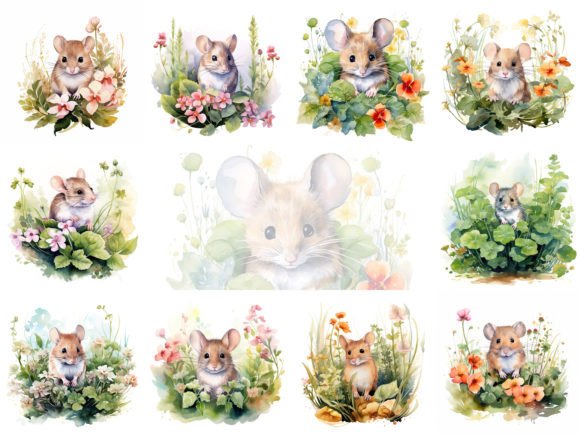
When I first opened the Cute Mouse Watercolor Clipart Bundle, my immediate reaction was one of cautious optimism. As an experienced embroidery designer, I have learned that what looks ethereal and delicate on a screen does not always translate seamlessly to needle and thread. However, this collection of illustrations possesses a distinct visual personality that feels less like generic clip art and more like intentional, hand-painted artwork. The mood is undeniably nostalgic and gentle, evoking a storybook quality that is currently in high demand for nursery decor and personalized gifts.
The shapes are organic rather than rigid, which is a double-edged sword for digitizing. While the soft edges create a beautiful aesthetic, they require careful consideration when converting into a machine embroidery design. Unlike vector art with hard lines, watercolor styles rely on color blending and shading. For those of us planning to use this for commercial embroidery or custom apparel, the primary challenge—and opportunity—lies in interpreting these fluid Illustrations into stitch types that maintain the original charm without becoming a dense, bulletproof patch of thread.
Real-World Application: The Custom Sweatshirt Test
To truly evaluate the viability of the Cute Mouse Watercolor Clipart Bundle, I approached it with a specific client project in mind: a custom embroidered sweatshirt for a boutique holiday collection. My goal was to create a wearable piece of art that felt vintage yet modern. Watercolor mouse motifs are trending heavily among Etsy sellers and small shop owners right now, but execution is everything.
In this scenario, I treated the digital file as a base for an applique design rather than attempting to replicate every brushstroke with fill stitch. Trying to mimic watercolor gradients entirely with thread often leads to excessive stitch density and fabric distortion. Instead, I used the clipart as a guide for placement and color matching. I selected a cream cotton fleece as the base fabric and used the mouse illustration to inform my thread colors. The result was a balanced sweatshirt embroidery project where the fabric texture did the heavy lifting, and the stitching provided the definition. This approach preserved the softness of the original art while ensuring the finished product remained comfortable and durable enough for retail sale.
Navigating Fabric Choices and Stabilizer Strategy
Not every item in your inventory will be a suitable canvas for this specific aesthetic. Based on my testing, the Cute Mouse Watercolor Clipart Bundle performs exceptionally well on stable, natural fibers. Tea towels, pillow covers, and woven tote bags are ideal candidates because their fabric texture complements the painterly style. The slight irregularity of linen or cotton canvas actually enhances the watercolor effect, making the embroidery look more handmade and artisanal.
Conversely, you must exercise extreme caution when applying this design to stretchy knits, performance wear, or highly textured fabrics like terry cloth. The intricate details inherent in watercolor illustrations can get lost in the pile of a towel or distorted by the stretch of a jersey knit. If you are creating baby embroidery items, which are a natural fit for this theme, opt for smooth cotton interlock or quilting cotton. Always pair these designs with appropriate stabilizer; a cut-away backing is non-negotiable for apparel to prevent the delicate running stitch outlines from warping after washing. For darker fabrics, remember that watercolor art relies on transparency. You may need to add a white underlay or adjust the design to include opaque elements, otherwise, the subtle shading will simply vanish against navy or black material.
Technical Considerations for Digitizing and Stitching
For fellow designers and makers digitizing these Illustrations, understanding stitch density is paramount. Watercolor clipart often features tapered edges and fine details that tempt us to use satin stitch. However, wide satin stitches can be unstable and prone to snagging. I recommend breaking larger color blocks into fill stitch areas with varying densities to simulate depth, reserving satin stitch only for crisp borders or small accents. Running stitch is excellent for capturing the sketchy, artistic line work often found in this bundle, but ensure your stitch length is long enough to prevent perforating the fabric like a stamp.
Hoop size selection also dictates success. While it is tempting to shrink these cute mice down for tiny 4x4 hoops, doing so often sacrifices the very details that make the bundle special. Small text or facial features may become indistinguishable blobs of thread. I advise keeping the design at a size where the smallest detail is at least 1mm wide. Always run a test stitch-out on scrap fabric identical to your final project before committing to production. Check thread color contrast in natural lighting, as screen brightness can be deceiving. Furthermore, verify whether the digital embroidery file requires specific color blending techniques or if standard solid threads will suffice.
Commercial Viability and Brand Consistency
For Etsy sellers and creative entrepreneurs, the Cute Mouse Watercolor Clipart Bundle offers significant value beyond just the aesthetic. In a saturated market, customers trust brands that present cohesive, professional visuals. Using high-quality, consistent illustrations across your product line—from embroidered patches to printable mockups—builds brand recognition. When listing items online, use the original clipart to create attractive digital product previews and lifestyle mockups, but be transparent about how the actual embroidery interprets that art. Managing customer expectations regarding the difference between printed watercolor and stitched texture is key to maintaining positive reviews and reducing returns.
This bundle is particularly strong for seasonal merchandise. Holiday embroidery featuring whimsical woodland creatures sells consistently, but it also works year-round for baby showers and birthday gifts. The versatility allows small business owners to maximize their return on investment. Whether you are selling physical custom apparel or digital design assets, the key is adaptation. Do not force the art to be something it is not; let the medium of embroidery enhance the illustration rather than fight against it.
Essential Pre-Production Checklist
Before you hoop up your first project using the Cute Mouse Watercolor Clipart Bundle, run through this practical checklist to ensure professional results:
- Verify Licensing: Confirm whether your purchase includes commercial rights for selling finished products versus digital files. Terms vary significantly between designers.
- Test on Scrap: Never stitch directly onto a sellable garment without a prior test. Evaluate tension, registration, and fabric compatibility first.
- Audit Small Details: Zoom in on the digitized file. If a line is thinner than 0.5mm, it likely needs to be thickened or removed to prevent needle breaks and fabric damage.
- Check Color Values: Print the design in grayscale to see if the contrast holds up without color. Embroidery relies on value differences for definition.
- Stabilizer Match: Select stabilizer based on fabric weight and stitch count, not just habit. Delicate watercolor styles often require lighter touch stabilization to avoid stiffness.
- Mockup Accuracy: Ensure your marketing photos represent the stitched reality. Use the clipart for inspiration, but show real embroidery samples to build buyer trust.
Ultimately, the Cute Mouse Watercolor Clipart Bundle is a delightful resource for makers who understand the translation process between digital art and textile craft. It brings a level of sophistication and warmth to embroidery projects that standard vector art cannot achieve. By respecting the technical limitations of thread and fabric, you can transform these charming Illustrations into heirloom-quality pieces that resonate deeply with clients and customers alike. Approach the digitizing process with patience, test rigorously, and let the unique character of the watercolor style shine through in your finished handmade products.