Cute Watercolor Octopus: An Embroidery Review
As a professional embroidery designer and product reviewer, I approach every new machine embroidery design with a critical eye. It is not enough for a graphic to look beautiful on a screen; it must translate into thread without losing its charm or structural integrity. When evaluating the Cute Watercolor Octopus, my primary focus is on how this illustration transitions from digital art to a tangible handmade product. This design falls squarely within the Illustrations category, suggesting an artistic, painterly aesthetic rather than a rigid cartoon style. For Etsy sellers, craft business owners, and hobbyists, understanding the practical application of this motif is essential before committing it to fabric.
First Impressions and Artistic Translation
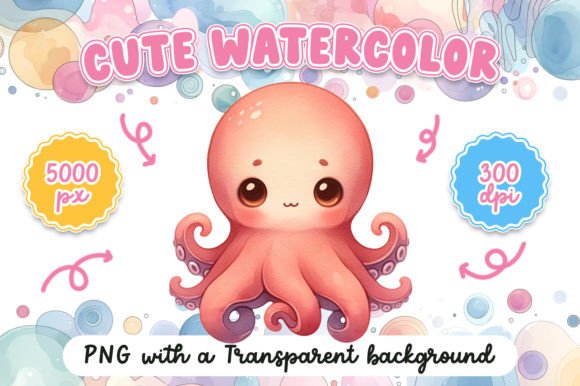
The immediate appeal of the Cute Watercolor Octopus lies in its softness. Unlike traditional vector-based embroidery that relies heavily on solid blocks of color, this design attempts to mimic the fluidity of watercolor paint. Visually, it evokes a sense of whimsy and gentle nostalgia, making it an ideal candidate for nursery decor, baby items, or boutique-style apparel. The shape is organic, with tentacles that likely curve and taper, which presents both an opportunity and a challenge for digitizing.
From a design judgment perspective, the "cute" factor here relies entirely on stitch definition. If the stitch density is too high, the watercolor effect will become stiff and bulletproof. If it is too low, the fabric may show through unevenly, ruining the illusion of painted texture. As a reviewer, I look for a balance where fill stitch techniques are used to create shading gradients without excessive layering. This design naturally belongs on projects that benefit from a softer hand-feel, such as cotton tees, linen tea towels, or lightweight sweatshirts, rather than heavy-duty workwear or structured caps.
Real-World Application: Stitching a Custom Tote Bag
To truly evaluate this asset, I mentally place it in a real-life production scenario. Imagine preparing a custom embroidered tote bag for a small shop merchandise drop or a personalized gift for a marine biology enthusiast. A tote bag provides a relatively stable, flat surface, but canvas can be textured, which interferes with fine detail.
In this scenario, the Cute Watercolor Octopus serves as the central focal point. Because tote bags are often unlined or made of natural fibers, the design needs to have enough coverage to stand out against the weave of the fabric. I would assess whether the outer edges of the octopus utilize a clean satin stitch border or a softer running stitch blend. A hard edge might clash with the watercolor interior, while a raw edge might fray on canvas after washing. For a tote bag design, I would also consider placement; centering the octopus slightly above the true center ensures it doesn't get lost when the bag is filled with items. This specific use case highlights the importance of checking the embroidery file for jump stitch management, as color changes in a watercolor style can be frequent and tedious to trim if not optimized.
Navigating Fabric Choices and Technical Constraints
While versatile, the Cute Watercolor Octopus requires careful consideration regarding substrate selection. Not all fabrics are friends with watercolor-style digitizing.
- Stretchy Fabrics: On knit fabrics like jersey or interlock for custom apparel, the multiple thread layers required for color blending can cause puckering. You must verify that the design includes adequate underlay or plan to use a cut-away stabilizer to maintain registration.
- Textured Surfaces: For items like terry cloth towels or fleece blankets, the delicate shading of the octopus may get swallowed by the pile. In these cases, using a water-soluble topping is non-negotiable to keep the stitches visible and crisp.
- Dark Fabrics: Watercolor designs often rely on lighter thread colors to simulate transparency. On black or navy fabric, the design may lose its contrast unless the digitizer included a white underbase. Always test on a dark scrap first.
- Small Hoop Sizes: Reducing this design significantly can be risky. Tentacles and facial features may merge if scaled down below the recommended size. Check the minimum dimensions in the digital embroidery file specifications before attempting to resize for baby onesies or pockets.
Conversely, this design shines on smooth, light-colored cottons, linens, and quilting fabrics where the thread sheen can replicate the wet look of paint. For baby embroidery projects, ensure the back of the design is comfortable against skin; watercolor styles can sometimes be dense, so a soft backing or lining might be necessary for finished garments.
Commercial Viability and Brand Perception
For creative entrepreneurs and Etsy sellers, the value of the Cute Watercolor Octopus extends beyond the stitch-out. It affects buyer engagement and perceived value. Customers looking for handmade goods are drawn to unique aesthetics that differ from mass-produced factory embroidery. A well-executed watercolor style signals artistry and care.
However, professionalism hinges on consistency. If you are using this for commercial embroidery across a product line, ensure it matches your brand's visual weight. Pairing this delicate octopus with bold, blocky typography might create visual dissonance. Instead, consider script fonts or minimalist sans-serifs for accompanying text. When creating printable mockups or listing photos, photograph the actual stitched sample rather than relying solely on digital renders. Buyers trust what they can see in thread. Showcasing the texture and dimension of the octopus builds confidence in your small shop product quality.
Furthermore, always confirm licensing. Just because an embroidery file is available for purchase does not automatically grant rights to sell unlimited finished products or distribute the digital assets. Verify the terms specifically for commercial use to protect your business.
Designer Notes for Successful Execution
Before loading the Cute Watercolor Octopus into your machine for a final project, adhere to these practical guidelines to ensure a premium result:
- Test Stitch is Mandatory: Never run this design directly on a final product without a test. Use a scrap of the exact fabric and stabilizer combination you intend to use. Watercolor effects are sensitive to tension and stabilization choices.
- Thread Color Verification: Digital screens are deceptive. Pull physical thread spools and compare them against the design chart. Ensure the gradient transitions look natural in real lighting, not just on your monitor.
- Stabilizer Strategy: Given the likely complexity of the fill stitches, err on the side of caution. A medium-weight cut-away stabilizer usually offers better long-term support for detailed illustrations than tear-away options, especially on apparel.
- Check Registration: Inspect the test stitch for gaps between color blocks. Misalignment kills the watercolor illusion. Adjust hoop tightness or add spray adhesive if registration drifts.
- Wash Test: If selling personalized gifts or children's items that require laundering, wash and dry your test swatch. Some shading techniques loosen or distort after washing. Knowing this beforehand prevents customer returns.
- Mockup Reality Check: Create a black and white version of your mockup to check value contrast. If the octopus looks muddy in grayscale, it may lack sufficient definition for customers viewing listings on mobile devices.
The Cute Watercolor Octopus is a charming addition to any embroiderer’s library, provided it is treated with technical respect. By understanding its behavior on different fabrics and validating its performance through testing, you can transform this digital illustration into a beloved finished product that delights customers and elevates your maker portfolio. Whether for a holiday gift, a boutique exclusive, or a cherished keepsake, success lies in the details of execution.