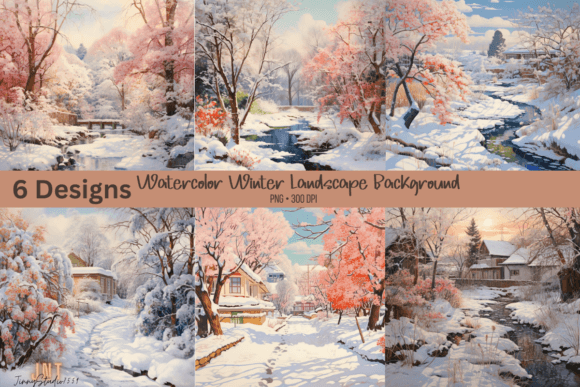
Watercolor Winter Landscape Background: A Stitch Review
When evaluating a new machine embroidery design for professional or commercial use, my first question is always about translation. Does this digital art actually work as thread? The Watercolor Winter Landscape Background immediately catches the eye with its soft, painterly aesthetic, but as an experienced designer and product reviewer, I need to look past the screen preview. For those of us running a craft business, creating custom apparel, or stocking an Etsy shop, this design represents a specific challenge and opportunity. It sits firmly within the Illustrations category, yet its application in embroidery requires a distinct technical approach compared to standard line art or bold logos.
First Impressions and Visual Mood
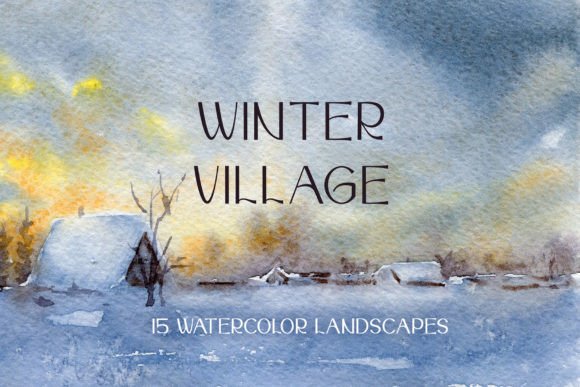
My initial assessment of the Watercolor Winter Landscape Background is that it evokes a sense of nostalgic calm. Unlike high-contrast cartoon characters or dense corporate logos, this design relies on subtle color blending and negative space. Visually, it feels organic rather than mechanical. For a handmade product, this is a significant advantage. Customers are currently gravitating toward items that feel artisanal and unique, and the watercolor style mimics traditional painting methods through thread.
However, "watercolor" in embroidery usually implies complex layering. As I review the layout, I am looking for how the digitizer handled the transitions between colors. A successful winter landscape shouldn't look like a paint-by-numbers kit; it should have depth. The mood here is perfect for holiday embroidery projects or cozy winter merchandise, but the success of the final finished product depends entirely on whether the stitch types support that ethereal vibe without becoming bulletproof or stiff.
Real-World Application: The Sweatshirt Test
To truly judge this asset, I mentally placed it into a real production scenario: preparing a premium heavyweight sweatshirt for a boutique holiday collection. This is a common project for Etsy sellers and small shop owners. When using the Watercolor Winter Landscape Background on fleece or French terry, the fabric texture becomes part of the design equation.
In this scenario, the design serves as more than just decoration; it establishes brand identity. If I were stitching this out, I would be monitoring how the fill stitch areas interact with the nap of the sweatshirt. Watercolor styles often require lighter density to allow the fabric to show through, creating that translucent painted effect. If the stitch density is too high, the design will sink into the fleece, losing detail and making the garment heavy. Conversely, if it is too loose, the fabric might poke through unevenly. For sweatshirt embroidery, this background works best when centered on the chest or as a smaller accent on the sleeve, where the drape of the garment isn't compromised by excessive thread coverage.
Versatility Across Product Categories
Beyond apparel, I see strong potential for this design in home decor and accessories. As a tote bag design, the Watercolor Winter Landscape Background offers a sophisticated alternative to typical seasonal clip art. Canvas totes provide a stable, flat surface that showcases the gradient effects of watercolor digitizing beautifully. Similarly, for baby embroidery on blankets or nursery pillows, the soft edges and muted tones associated with this style are ideal. They avoid the harshness of solid satin blocks, making the item feel gentler and more heirloom-quality.
For makers producing personalized gifts, this background acts as an excellent frame. Because it is a landscape background, it naturally leaves central negative space. This allows you to add custom names, dates, or monograms without overcrowding the composition. This flexibility increases the value of the digital embroidery file because it can be adapted for weddings, baby showers, and family portraits throughout the winter season.
Critical Considerations for Fabric and Hoop Size
While the aesthetic is versatile, technical limitations exist. I must advise caution when considering this Watercolor Winter Landscape Background for certain applications. Detailed watercolor illusions often rely on precise thread placement. Therefore, highly textured fabrics like terrycloth towels or ribbed knits may distort the image. The fabric texture can break up the delicate shading, making the design look muddy rather than artistic.
Hoop size is another non-negotiable factor. You must verify the dimensions of your specific embroidery file before purchasing or stitching. Resizing watercolor designs is risky; reducing the size can cause stitch overlap and loss of definition, while enlarging it can create gaps in the shading. Always confirm the design fits your machine’s maximum hoop size natively. Additionally, curved surfaces like caps present difficulties. Unless the design has been specifically digitized for caps with proper pull compensation, the distortion on a curved brim could ruin the landscape perspective. Stick to flat surfaces for the best results.
I would also hesitate to use this on dark fabrics unless the design includes a white underlay or base layer specifically meant for contrast. Watercolor threads are often pastel or light; without a foundation, they will disappear against navy or black material. Always check the thread colors chart provided with the design to ensure compatibility with your intended substrate.
Professional Designer Notes for Success
If you decide to integrate the Watercolor Winter Landscape Background into your commercial or personal workflow, treat it with the same rigor as any professional asset. Here are my practical recommendations for ensuring a high-quality outcome:
- Test Stitch First: Never run this design directly on a final product without a test. Use a scrap of the exact fabric and stabilizer combination you plan to use. Check for registration issues between color layers.
- Stabilizer Selection: Watercolor designs can be deceptively dense. Use a cut-away stabilizer for stretchy fabrics like sweatshirts to prevent puckering. For woven fabrics like tote bags, a medium-weight tear-away may suffice, but always prioritize stability over ease of removal.
- Mockup Verification: Before listing a product, create a printable mockup or photograph your test stitch. Digital previews can be misleading. Showing a photo of the actual stitched texture builds customer trust and reduces returns.
- Licensing Check: As an Etsy seller or maker, verify the license terms. Confirm whether you can sell finished physical products, digital files, or both. Protect your business by respecting intellectual property rights.
- Thread Contrast: Review the palette against your fabric choice. Sometimes, swapping a few thread colors to better match your specific material can enhance the watercolor effect significantly.
Evaluating Value for Creative Entrepreneurs
Ultimately, the Watercolor Winter Landscape Background is a valuable asset for the right maker. It bridges the gap between digital art and tactile craft, offering a level of sophistication that elevates small shop products above mass-market alternatives. Its strength lies in its ability to serve as a foundational element for commercial embroidery projects that require a gentle, artistic touch.
However, its success relies on your technical judgment. It is not a "set it and forget it" design. It demands attention to stabilizer choice, fabric compatibility, and color management. When executed correctly, it transforms a simple embroidered patch, pillow, or garment into a piece of wearable art. For creative entrepreneurs, this design offers a chance to showcase skill and taste, turning a digital illustration into a tangible, sellable reality that resonates with customers seeking warmth and beauty in their handmade goods.