Watercolor Baby Duck Clipart: Illustrations for Sales
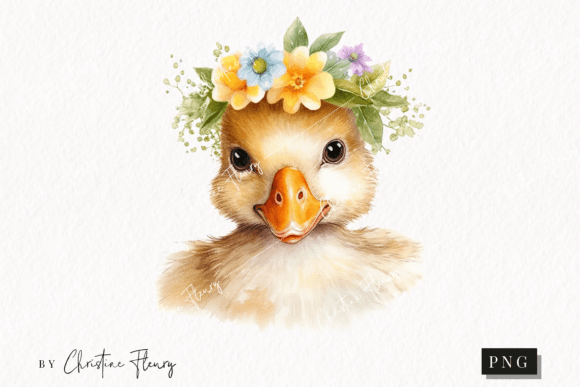
When evaluating a new graphic design asset for my online shop, I always look beyond the initial aesthetic appeal and focus on commercial viability. My first impression of this Watercolor Baby Duck Clipart collection is that it strikes a delicate balance between nostalgic charm and modern nursery trends. The illustrations possess a soft, hand-painted texture that feels authentic rather than digitally generated, which is crucial for attracting buyers in the handmade business sector. The mood is undeniably gentle and playful, yet refined enough to avoid looking childish or dated. This specific visual personality targets a distinct demographic: new parents, baby shower planners, and creators focusing on spring or Easter seasonal collections. As a digital product creator, I see immediate potential here because the style bridges the gap between traditional scrapbooking and contemporary print-on-demand merchandise.
Testing Commercial Viability Across Product Types
Before listing any illustration in my creative marketplace shop, I run it through a practical testing phase to ensure it translates well across various mediums. With this Watercolor Baby Duck Clipart, my primary test involves creating a printable design for nursery wall art. The watercolor edges need to remain crisp when scaled up to an 8x10 or 11x14 format. If the resolution holds up without pixelation, it confirms the asset is suitable for high-ticket digital downloads. Next, I evaluate its performance as a sublimation design. Watercolor textures can sometimes appear muddy on polyester fabrics, so I always print a test swatch on a mug design or t-shirt design blank. In my experience, these particular duck illustrations retain their color vibrancy and soft gradients on ceramic tumblers and cotton onesies, making them safe bets for physical merchandise.
For fellow Cricut users and crafters, the versatility of the file formats matters immensely. While the PNG design files are excellent for print-and-cut sticker design projects, I also assess whether the artwork can be effectively paired with SVG cut files for layered paper crafts. Although watercolor is inherently raster-based, these illustrations work beautifully as background elements behind vinyl text or as printed layers within shadow boxes. Additionally, I tested the clipart within a Canva template for baby shower invitations. The transparent backgrounds allowed for seamless integration over pastel cardstocks, proving that this asset supports both DIY customers and professional designers looking for reliable commercial design elements.
Elevating Listing Presentation and Visual Hierarchy
In the competitive landscape of Etsy product listings and Shopify stores, your thumbnail is your storefront window. I have found that Watercolor Baby Duck Clipart serves as an exceptional anchor for establishing visual hierarchy in listing images. When designing product mockups, placing a large, high-resolution duck illustration in the center creates an immediate emotional connection with the buyer. However, presentation requires strategy. I use these illustrations to create cohesive design bundles, showing customers how the individual elements interact when arranged together. This demonstrates perceived value far better than displaying isolated files.
Social media graphics also benefit significantly from this asset. When promoting a new spring collection on Instagram or Pinterest, the soft colors of the baby ducks stop the scroll without feeling aggressive. I often incorporate them into packaging design previews to show how a small business might brand their shipping materials. Seeing the clipart applied to tissue paper patterns or thank-you cards helps buyers visualize the end result, increasing click-through potential. Trust is built through consistency; using the same illustration style across your blog graphics, shop banner, and product previews reinforces brand identity and signals professionalism to prospective customers.
Optimal Use Cases for Maximum Impact
Based on my testing, this Watercolor Baby Duck Clipart performs best in applications where the artwork can breathe. Large-format printable wall art allows the brushwork details to shine, justifying a higher price point for digital downloads. Themed bundles, such as "Woodland Nursery" or "Spring Farmhouse," leverage the clipart’s decorative nature to encourage bulk purchases. Merchandise graphics like tote bag prints and tumbler wraps are also strong performers because the organic shape of the watercolor ducks conforms naturally to curved or fabric surfaces. Furthermore, these illustrations are ideal for digital paper packs, where repeating patterns create value for scrapbookers and card makers.
Navigating Limitations and Technical Risks
Every graphic design asset has limitations, and recognizing them prevents negative reviews. I advise caution when using this Watercolor Baby Duck Clipart for tiny sticker details or intricate planner stickers. The soft, bleeding edges characteristic of watercolor can become indistinct at small scales, leading to cutting issues for Cricut project users. Similarly, avoid placing these illustrations on dark backgrounds unless you have edited the files to add a white underbase; the transparency will cause the colors to vanish against black or navy substrates. Text-heavy templates also pose a risk, as the busy texture of the ducks can reduce readability if used directly behind font styles.
Another critical consideration is contrast in thumbnails. While the pastel tones are beautiful, they may disappear in search results if not properly enhanced. Always check your listing images on mobile devices to ensure the clipart remains visible against the platform's white interface. Finally, be mindful of low-resolution print products. Never stretch a standard web-resolution PNG to fit a large poster; this degrades quality instantly. Stick to 300 DPI files for all physical applications to maintain the premium feel that buyers expect from commercial design assets.
Essential Seller Checklist Before Publishing
To ensure this Watercolor Baby Duck Clipart generates sales rather than returns, follow this practical workflow before hitting publish:
- Verify File Integrity: Confirm all PNG designs have true transparency and no white halos around the edges. Check that resolution is at least 300 DPI for print-ready files.
- Test Print Colors: Screen colors often differ from CMYK output. Print a physical proof to ensure the yellows and greens do not shift unexpectedly on paper or fabric.
- Font Pairing Validation: Test the clipart against various typography styles. Serif fonts convey elegance for nursery art, while handwritten fonts enhance the playful vibe for party stationery. Ensure legibility in all combinations.
- Mockup Realism: Use realistic product mockups that reflect actual usage. Avoid flat, sterile digital presentations. Show the clipart on textured paper, real mugs, or framed displays to build customer trust.
- Licensing Compliance: Double-check the commercial license terms. Ensure you are permitted to sell finished products versus digital redistribution. Clearly state usage rights in your listing description to protect your small business branding.
- File Organization: Group files logically for the customer. Separate high-res print files from web-sized versions. Clear organization reduces support tickets and enhances the user experience.
By approaching this Watercolor Baby Duck Clipart with a critical, business-minded eye, you transform a simple set of illustrations into a robust revenue stream. Success in selling digital products isn't just about having cute art; it is about understanding how that art functions in the hands of your customer. Whether you are building a seasonal collection, expanding your print-on-demand catalog, or refining your Canva template offerings, this asset offers substantial utility when applied with intention and technical care.