Panda Bear Watercolor Clipart Bundle: Editorial Illustrations
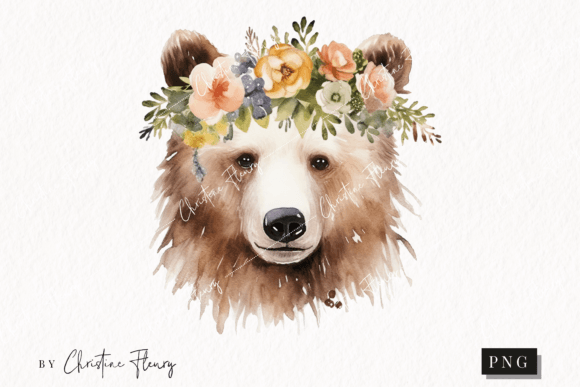
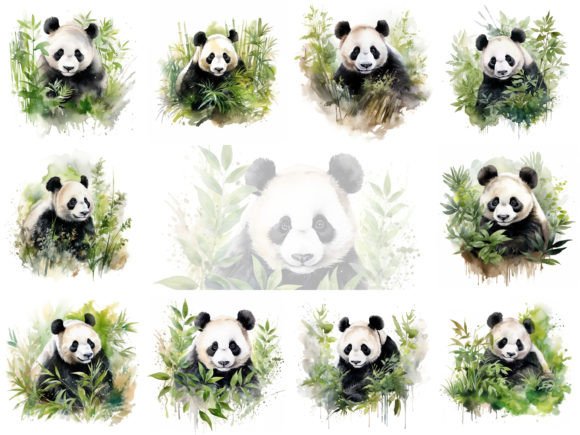
As a blog designer and digital publisher, my first interaction with any new graphic design asset is strictly functional. I am not just looking for something cute; I am evaluating whether the Panda Bear Watercolor Clipart Bundle can survive the rigors of a real publishing workflow. When I opened this collection, the immediate impression was one of soft, organic warmth that feels distinctly hand-painted rather than digitally manufactured. This distinction matters immensely in editorial design because it signals authenticity to readers. The illustrations carry a gentle, nature-inspired mood that naturally aligns with niches like eco-friendly parenting, wildlife education, sustainable lifestyle blogging, and children’s literature. Unlike rigid vector art, these watercolor textures introduce a human element that can soften the sterile feel of modern web layouts, creating an instant emotional connection before a single word of content is read.
Establishing Trust Through Soft Visual Hierarchy
In content marketing, visual hierarchy dictates how a reader processes information. The Panda Bear Watercolor Clipart Bundle excels here because the organic edges of watercolor illustrations naturally draw the eye without competing with headline typography. When designing a website header or a featured image, hard-edged graphics can sometimes create visual tension against text. These pandas, however, possess irregular, bleeding edges that allow them to nestle comfortably beside serif fonts or handwritten scripts. This compatibility is crucial for maintaining brand identity across different platforms. For publishers focusing on mindfulness, nursery decor, or conservation affiliate marketing, this asset provides a consistent visual anchor. It tells the audience that the content within is curated, thoughtful, and safe, which directly contributes to improved reader trust and longer dwell times on article pages.
Real-World Applications for Digital Publishers
Beyond aesthetics, a digital download must be versatile enough to justify its place in a creative marketplace library. I tested this bundle across several standard publishing formats to gauge its utility. For Pinterest pin creation, the vertical orientation of many panda poses works exceptionally well. The soft color palette stands out against the often chaotic, high-saturation feeds of social media, potentially increasing click-through rates for users seeking calming or educational content. In the realm of digital products, these illustrations are ideal for enhancing lead magnets such as checklists, coloring pages, or educational worksheets. They add perceived value to freebies without overwhelming the instructional content. Furthermore, for those utilizing Canva templates to streamline production, these transparent PNGs integrate seamlessly, allowing for rapid assembly of newsletter headers, social media graphics, and eBook covers without requiring advanced Photoshop skills.
- Blog Graphics: Perfect for breaking up long-form text in articles about animals, nature, or parenting.
- Digital Guides: Adds professional polish to PDF downloads and printable design resources.
- Affiliate Marketing: Creates custom visuals for product reviews of eco-toys or nursery items.
- Newsletter Headers: Sets a welcoming tone for email subscribers and community updates.
- Category Thumbnails: Helps users visually navigate site sections dedicated to wildlife or kids' activities.
Where This Asset Shines in Editorial Layouts
Through testing, I found specific environments where the Panda Bear Watercolor Clipart Bundle performs best. Hero images benefit significantly when the illustration is used as a focal point against ample negative space. The watercolor texture fills empty areas without feeling heavy, making it excellent for minimalist modern design. Article thumbnails featuring these pandas tend to perform well in RSS feeds and blog rolls because the recognizable animal shape reads clearly even at smaller sizes. Additionally, for online educators creating course materials or flashcards, the artistic style bridges the gap between academic rigor and child-friendly engagement. The asset also serves as a strong decorative accent for sidebar widgets or footer sections, reinforcing small business branding without distracting from primary calls to action or navigation menus.
Navigating Limitations and Contextual Fit
No design asset is universal, and understanding where not to use this bundle is as important as knowing where to apply it. I would advise caution when using these illustrations for highly corporate, financial, or tech-focused websites. The inherent playfulness and softness may undermine authority in serious professional niches. Furthermore, while the watercolor style is beautiful, it can lose definition in very small mobile thumbnails if the details are too intricate. Publishers should avoid placing these illustrations on busy, patterned backgrounds where the soft edges might disappear. Low-contrast combinations, such as light gray pandas on white backgrounds, should be avoided entirely to ensure accessibility and readability. If your website relies on a stark, brutalist, or ultra-minimal visual system, the organic imperfections of watercolor might clash with your established grid structure. Always prioritize legibility and brand alignment over novelty.
Technical Publisher Notes for Web Performance
Before integrating the Panda Bear Watercolor Clipart Bundle into a live production environment, several technical checks are mandatory for maintaining site speed and legal compliance. First, always verify the commercial license terms. Ensure you have the right to use these assets on monetized blogs, affiliate pages, or within paid digital products. Second, file size management is critical. Watercolor scans can be large; always compress images properly using tools like TinyPNG or ShortPixel before uploading to preserve web performance. Third, test contrast ratios. Place the illustrations next to your body text and headlines to ensure they do not hinder readability. I recommend testing the assets in grayscale to confirm they retain their form and impact without relying solely on color. Finally, preview the graphics on actual mobile devices, not just browser resizing tools, to ensure the visual hierarchy holds up on smaller screens. Pairing these illustrations with complementary typography is also essential; they tend to work best with clean sans-serifs for balance or elegant serifs for a storybook feel, whereas overly decorative display fonts can create visual clutter.
- License Verification: Confirm commercial usage rights for affiliate links and paid products.
- Image Optimization: Compress files to maintain fast load times and SEO rankings.
- Contrast Testing: Check visibility against various background colors and in dark mode.
- Typography Pairing: Test alongside your primary brand fonts to ensure harmony.
- Mobile Preview: Validate clarity and scale on smartphones and tablets.
- Format Consistency: Ensure transparency is preserved for overlay versatility.
Ultimately, the Panda Bear Watercolor Clipart Bundle represents a valuable addition to the toolkit of creators who prioritize emotional resonance in their digital presence. Whether you are crafting a heartfelt blog post, designing a nurturing lead magnet, or building a cohesive brand identity for a nature-focused business, these illustrations offer a unique blend of artistic charm and practical utility. By applying thoughtful editorial judgment and adhering to technical best practices, publishers can leverage this asset to create content that is not only visually appealing but also strategically effective in engaging and retaining a loyal audience. The key lies in treating these illustrations not merely as decoration, but as integral components of a broader visual communication strategy that supports your content goals and enhances the overall user experience.