Mushrooms Wreath Watercolor Clipart: Illustrations Review
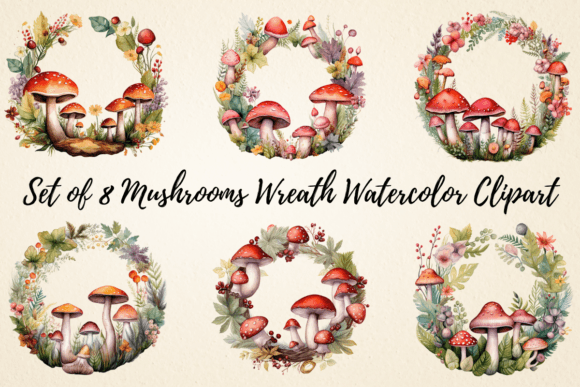
When evaluating a new graphic design asset for a client project, my first question is always about emotional resonance. Does this illustration carry the specific mood required to sell a product or tell a brand story? Upon reviewing the Mushrooms Wreath Watercolor Clipart, the immediate impression is one of organic warmth and nostalgic comfort. This is not a sterile, corporate vector; it is a textured, hand-painted piece that evokes cottagecore aesthetics, autumnal transitions, and artisanal craftsmanship. For a designer tasked with rebranding a handmade business or launching a seasonal campaign for an Etsy shop, this asset signals authenticity. It feels grounded and earthy, making it an ideal candidate for clients in the wellness, botanical, culinary, or sustainable goods sectors. The visual weight of the wreath suggests enclosure and protection, which psychologically prepares the viewer for content centered on home, nature, or self-care.
Anchoring Brand Identity for Artisan Clients
In a recent concept phase for a boutique candle maker, I needed a central visual motif that could bridge the gap between their logo and their packaging design. The Mushrooms Wreath Watercolor Clipart served as an excellent secondary brand element. While primary logos require geometric simplicity for scalability, supporting illustrations provide the narrative texture that builds brand identity. This specific clipart works exceptionally well when framing a serif logotype or a handwritten signature font. The organic irregularities of the watercolor mushrooms contrast beautifully with structured typography, creating a balanced modern design that still feels human.
For small business branding, consistency is key. This asset allows for versatile application across touchpoints without feeling repetitive. On a website hero section, the wreath can act as a focal point behind white text, establishing an immediate thematic connection. In editorial design for a lookbook or catalog, it functions as a sophisticated page border or chapter divider. However, designers must be intentional about placement. Because the watercolor edges are soft and detailed, this illustration performs best in large layout areas where the brushwork remains visible. Using it as a tiny icon in a footer or navigation bar would result in a loss of detail and visual impact.
Performance Across Print-on-Demand and Digital Products
The true test of any creative design asset is its adaptability across mediums. When preparing files for print-on-demand sellers or Cricut users, technical integrity matters as much as aesthetic appeal. The Mushrooms Wreath Watercolor Clipart excels in sublimation design and sticker design because the color saturation typically associated with watercolor scans translates vibrantly onto physical products. For t-shirt design and tote bags, the circular composition provides a natural print area that respects the garment’s shape. Unlike linear illustrations that can look awkward on apparel, the wreath format centers perfectly on the chest or back.
For digital sellers creating Canva templates or social media graphics, this asset offers significant value. Instagram posts and Pinterest pins benefit from the built-in negative space within the wreath. Designers can easily place promotional text, sale announcements, or quotes inside the circle without obscuring the artwork. This makes it a high-utility component for marketing visuals. However, when using this for commercial design, one must verify the resolution. For professional packaging design or large-format posters, ensure the PNG design is at least 300 DPI at the intended print size. Upscaling watercolor often introduces pixelation that destroys the delicate paper texture, undermining the premium feel of the final product.
Navigating Visual Hierarchy and Readability Challenges
While aesthetically pleasing, watercolor illustrations present unique challenges regarding visual hierarchy. The Mushrooms Wreath Watercolor Clipart is inherently busy due to the variety of fungal shapes, foliage, and color gradients. If placed over a complex background or paired with overly ornate script fonts, the design will become illegible. In my experience, this asset demands breathing room. It pairs best with clean sans-serif fonts or simple display typefaces that allow the illustration to remain the star. When designing product labels, I recommend testing the wreath in grayscale first. If the values flatten out and the mushrooms disappear into the leaves, the contrast is insufficient for accessibility and quick recognition.
Designers should also exercise caution when integrating this asset into minimalist or corporate projects. The whimsical nature of mushroom illustrations can clash with sleek, tech-forward, or luxury minimalism unless styled very deliberately. It is not suitable for financial institutions or medical clinics where sterility equates to trust. Conversely, for a local farmers market flyer or a wedding invitation suite, this level of detail enhances the perceived value. The complexity communicates effort and care, traits that resonate deeply with audiences seeking handmade or eco-friendly products.
Technical Due Diligence Before Commercial Use
Before committing this graphic design asset to a paid client deliverable, a rigorous technical review is non-negotiable. First, inspect the PNG transparency. Poorly masked watercolor clipart often retains white halos or jagged edges that look unprofessional against colored backgrounds. Zoom in to 400% to check the cut quality. If the edges are rough, you may need to spend time refining the mask in Photoshop before use. Second, assess color profiles. Many digital products are created in RGB for screen viewing, but if your client intends to use this for packaging design or physical merchandise, verify how the colors convert to CMYK. Vibrant neon greens or deep purples in watercolor can sometimes shift duller in print, requiring pre-press adjustments.
Licensing is the final critical checkpoint. Just because an asset is available on a creative marketplace does not mean it covers every use case. Confirm whether the commercial license permits modification, resale as part of a design bundle, or use in trademarked logo design. Most standard licenses prohibit using standalone clipart as a trademarkable logo element, which is a vital distinction for brand identity work. Always document the license terms for your client’s records to protect both parties. Additionally, if you plan to offer this as part of a larger design bundle or SVG design package for crafters, ensure your license explicitly allows for redistribution or derivative works.
Strategic Integration for Maximum Impact
Ultimately, the Mushrooms Wreath Watercolor Clipart is a powerful tool when applied with strategic restraint. It shines brightest as a supporting actor rather than the entire cast. Use it to frame, accent, and evoke emotion, but rely on solid typography and layout principles to carry the functional load of communication. For bloggers and content creators, it serves as an engaging thumbnail or header image that boosts click-through rates by signaling niche relevance. For crafters and digital sellers, it provides a ready-made foundation for seasonal collections that would take hours to paint from scratch.
My professional verdict is that this asset is highly recommended for projects requiring organic warmth, provided the designer respects its technical limitations and stylistic boundaries. It bridges the gap between fine art and commercial utility effectively. By testing contrast, verifying file quality, and pairing it with appropriate typography, designers can leverage this illustration to create polished, emotionally resonant work that satisfies both client objectives and audience expectations. Whether for a rustic wedding suite or a bestselling Etsy printable, this wreath offers the authentic texture that defines successful modern cottagecore design.