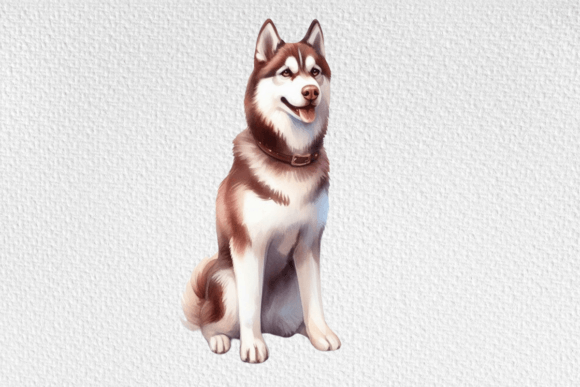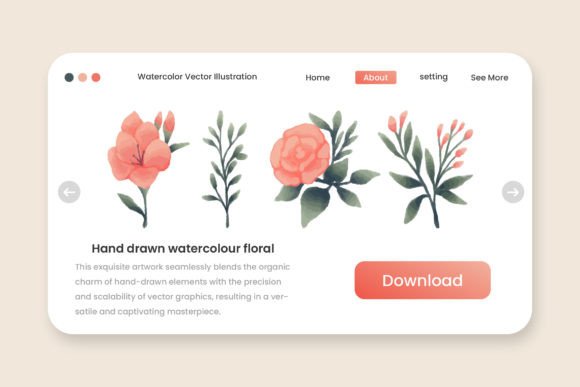
Hand Draw Watercolor Illustrations for Commercial Products
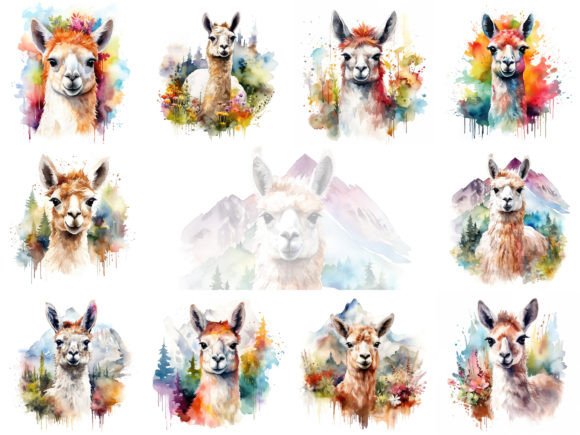
As a digital product creator who has launched hundreds of listings across Etsy and Creative Fabrica, my first interaction with any new graphic design asset is purely analytical. When evaluating this Hand Draw Watercolor - Illustration pack, I am not just looking at pretty art; I am assessing its viability as a commercial design foundation for a profitable shop. The immediate impression of this collection is one of organic authenticity. Unlike vector-based graphics that can sometimes feel sterile or overly manufactured, these illustrations carry the distinct texture and fluidity of traditional media. This visual personality targets a specific buyer demographic: the customer seeking warmth, nostalgia, and handmade charm in their digital downloads and physical products.
For sellers focusing on the wedding, nursery, or botanical niches, this aesthetic is highly marketable. The mood strikes a balance between elegant and approachable, making it versatile enough for premium stationery and accessible craft projects alike. However, before listing any product derived from this asset, I run it through a rigorous testing phase to ensure it translates well from screen to sellable merchandise.
Evaluating Versatility Across Product Categories
In a real shop scenario, I never rely on a single use case for an illustration bundle. To maximize return on investment, I test how this Hand Draw Watercolor - Illustration set performs across multiple formats. My first stop is usually printable wall art. Because watercolor relies on subtle gradients and paper texture, I check if the file resolution holds up at 18x24 inches without pixelation. If the edges remain crisp and the color saturation remains consistent, it passes the print test.
Next, I evaluate its potential for print-on-demand and sublimation design. T-shirt designs and mug designs require high contrast against fabric or ceramic backgrounds. I place the illustration on both white and heather grey mockups to see if the lighter wash details get lost. For apparel, I often find that boosting the vibrance slightly in post-processing helps the design pop on camera, which directly impacts click-through rates on marketplace thumbnails. For tumbler wraps and tote bag prints, the seamless nature of the artwork matters. I test whether individual elements can be extracted cleanly to create repeating patterns or standalone focal points without awkward cropping.
Digital planners and sticker design present a different challenge. Here, the asset needs to be legible at small sizes. I import the PNG design into GoodNotes or Canva to verify that fine brush strokes do not disappear when scaled down for digital planner stickers. If the details are too intricate, they may look muddy on an iPad screen, signaling that this particular illustration is better suited for large-format prints than functional digital stationery.
Technical Performance for Cricut and SVG Users
One of the most critical aspects of reviewing this Hand Draw Watercolor - Illustration for the crafting community is its compatibility with cutting machines. Many buyers purchase clipart specifically for Cricut project work. While raster watercolors are beautiful, they are not native vectors. I test converting key elements into an SVG design to check the cut lines.
If the auto-trace function creates jagged edges or fails to capture internal details, I note this as a limitation. For this type of asset, I recommend sellers provide pre-cut PNGs with transparent backgrounds rather than forcing customers to trace complex watercolors themselves. However, if the illustration has bold outlines and solid color blocks, it may convert beautifully for vinyl decals. Always verify the transparency quality; a checkerboard background in your editing software does not always equal a true transparent PNG. A poor mask will result in white halos around the artwork, leading to negative reviews from frustrated crafters expecting clean edges for their scrapbooking kits.
Strategic Presentation and Mockup Testing
A superior graphic design asset can fail commercially if presented poorly. Visual hierarchy in listing images dictates sales. When preparing Etsy product listings using this Hand Draw Watercolor - Illustration, I avoid cluttered compositions. Watercolor thrives on whitespace. I test the design on minimalist product mockups where the illustration is the undisputed hero.
I also assess thumbnail appeal at mobile size. Most creative marketplace traffic comes from phones. I shrink the listing image to 300 pixels wide. Does the illustration still read clearly? Is the subject matter identifiable instantly? If the answer is no, the design might be too detailed for social media graphics or main listing photos, even if it works beautifully as a secondary detail shot. For brand identity and packaging design previews, I pair the artwork with complementary typography. A delicate serif font enhances elegance, while a bold sans serif creates modern contrast. Testing these pairings ensures the final template feels cohesive and professional, increasing perceived value for buyers looking for ready-to-use Canva template assets.
Identifying Limitations and Best Use Cases
Every digital product has boundaries. Through testing, I have identified where this Hand Draw Watercolor - Illustration excels and where caution is needed. It performs exceptionally well in:
- Greeting Cards and Invitations: The emotional resonance of hand-painted styles drives conversions in the stationery niche.
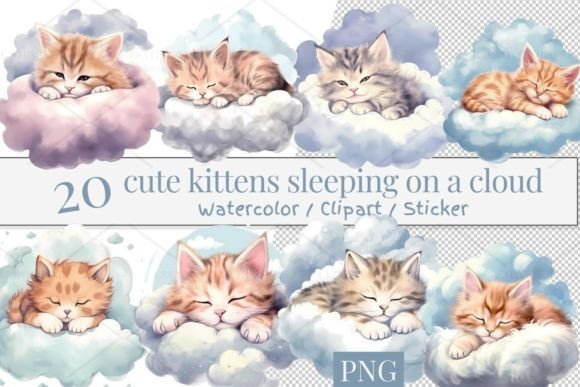
- Nursery Decor: Soft tones and organic shapes align perfectly with baby shower and children's room aesthetics.
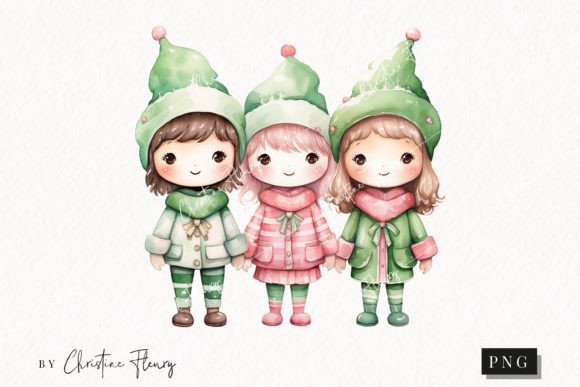
- Seasonal Bundles: Elements can be mixed and matched to create high-value design bundles for holidays or seasonal transitions.
- Blog Graphics and Social Media: Adds a bespoke, non-stock feel to content creator assets.
Conversely, use this asset carefully in low-contrast applications. Dark backgrounds can swallow light watercolor washes unless you add a glow effect or backing shape. Avoid using highly textured elements for tiny text overlays, as readability suffers. Additionally, if you are selling to the laser engraving market, remember that watercolor gradients do not translate to monochrome engraving without significant dithering adjustments. Being honest about these limitations in your product description builds trust and reduces support tickets.
Seller Checklist Before Publishing
Before adding products featuring this Hand Draw Watercolor - Illustration to my shop, I complete a final quality assurance checklist. This step separates amateur uploads from professional commercial design offerings.
- License Verification: Confirm the commercial license allows for the specific end products I intend to sell. Some licenses restrict print-on-demand or require attribution.
- File Organization: Ensure files are labeled clearly (e.g., "Peony-Watercolor-300DPI-PNG") so customers can navigate their download easily.
- Color Profile Check: Verify if the source file is RGB or CMYK. If selling printable design files for home printers, RGB is often preferred for screen viewing, but CMYK is safer for professional printing. Include a note about color variations due to monitor settings.
- Mockup Diversity: Create at least three distinct preview images showing the illustration in context (e.g., framed art, apparel, and digital use) to demonstrate versatility.
- Keyword Alignment: Ensure tags accurately reflect the style. If it is "boho watercolor," do not tag it "minimalist line art." Accurate tagging prevents bounce rate spikes.
Ultimately, this Hand Draw Watercolor - Illustration pack represents a strong opportunity for sellers willing to put in the testing work. It offers the authentic, human touch that automated AI art currently struggles to replicate convincingly. By validating its technical performance, respecting its stylistic strengths, and presenting it with professional intention, you can transform this graphic design asset into a sustainable revenue stream for your handmade business or digital storefront. Success in this space is rarely about finding a magic bullet; it is about understanding the nuances of your tools and serving your customers with reliable, beautiful, and functional creative assets.