Cute Watercolor Bunny with Hot Cocoa Review
As a professional embroidery designer and product reviewer, I approach every new machine embroidery design with a critical eye toward production viability. When evaluating the Cute Watercolor Bunny with Hot Cocoa, my primary focus is not just on the digital aesthetic but on how this illustration translates into physical thread. This design falls squarely within the Illustrations category, offering a soft, whimsical appeal that suggests immediate potential for seasonal merchandise and personalized gifts. However, the transition from screen to fabric requires careful consideration of stitch density, stabilizer choices, and end-use application to ensure the final product meets commercial standards.
Translating Soft Aesthetics to Physical Thread
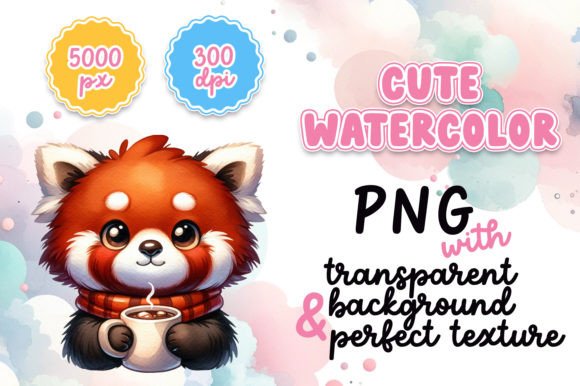
The first impression of the Cute Watercolor Bunny with Hot Cocoa is undeniably charming. The artwork relies on soft edges and blended tones typical of watercolor illustrations. In the context of an embroidery file, this presents a specific technical challenge: replicating fluid paint with discrete stitches. Upon reviewing the design structure, it becomes clear that achieving this watercolor effect likely involves a combination of fill stitch patterns with varying densities or specialized shading techniques rather than traditional solid blocks. For a maker, this means the design has a lighter hand-feel than standard dense embroidery, which is excellent for apparel but demands precise tension adjustments.
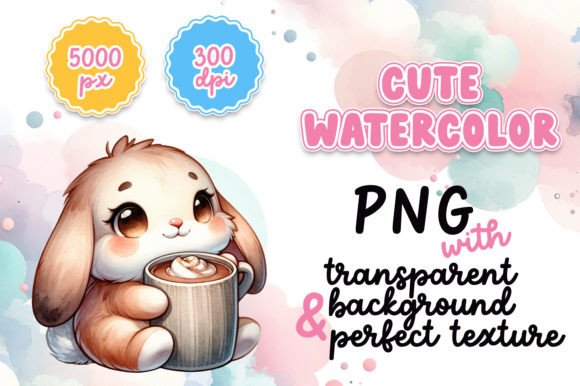
The mood created by this bunny holding a steaming mug is cozy and nostalgic. It naturally belongs on items associated with warmth and comfort. Unlike rigid geometric designs, this organic shape allows for more forgiving placement on curved surfaces, though the intricate details of the bunny’s face and the steam rising from the cocoa require high-resolution digitizing to prevent muddiness during stitching. As a reviewer, I appreciate when a design maintains its personality without sacrificing structural integrity, and this piece seems to balance artistic expression with technical feasibility.
Real-World Application: Stitching a Holiday Sweatshirt
To truly evaluate this asset, I mentally placed it in a real-life production scenario: creating a premium holiday sweatshirt for a small shop product line. Sweatshirt fleece is a textured, stable knit that generally accepts embroidery well, but it can swallow fine details. When applying the Cute Watercolor Bunny with Hot Cocoa to this substrate, the interaction between the fabric texture and the stitch type is paramount.
In this scenario, I would treat this as a centerpiece sweatshirt embroidery project. The design’s vertical orientation fits perfectly on the chest or center-back placement. However, because watercolor-style embroidery often uses lighter fill stitches to mimic transparency, the textured surface of fleece could interfere with color blending. My practical advice here is to use a lightweight tear-away stabilizer underneath and a water-soluble topping. The topping is non-negotiable; it prevents the fleece pile from poking through the delicate shading stitches, ensuring the bunny’s fur and the cocoa’s steam remain crisp and visually distinct. Without this step, the "watercolor" illusion breaks down into a messy texture.
For an Etsy seller or boutique owner, this specific application offers high perceived value. Customers associate detailed, multi-colored embroidery with quality craftsmanship. If stitched correctly on a cream or sage green sweatshirt, this design elevates the garment from basic wear to a collectible handmade product. The emotional connection of the hot cocoa theme makes it an ideal candidate for Q4 sales, winter markets, or cozy gift guides.
Navigating Fabric Limitations and Hoop Constraints
While the Cute Watercolor Bunny with Hot Cocoa shines on stable knits, caution is required for other applications. I must emphasize where this design should be used carefully to avoid production failures or customer dissatisfaction.
- Stretchy Fabrics: If adapting this for baby onesies or stretchy t-shirts, the lack of heavy satin stitch borders (common in watercolor styles) means the design relies heavily on the stabilizer for registration. Use a cut-away stabilizer specifically designed for knits to prevent puckering around the bunny’s outline.
- Dark Fabrics: Watercolor embroidery often utilizes pastel or translucent thread colors. On black or navy fabric, these shades may disappear or look muddy unless a white underlay base is stitched first. Always test contrast before committing to a dark custom apparel run.
- Small Hoop Sizes: Do not attempt to shrink this design significantly below its intended size. Reducing a complex illustration compresses the stitch count, causing thread breaks and loss of facial detail. Verify your hoop size matches the design’s native dimensions.
- Frequent Washing: Items like tea towels or aprons face rigorous laundering. Ensure the stitch density is sufficient to withstand abrasion. If the design feels too sparse during a test stitch-out, it may not be suitable for high-wear kitchen textiles.
Commercial Viability and Brand Presentation
For creative entrepreneurs and digital product sellers, the Cute Watercolor Bunny with Hot Cocoa serves as more than just a stitch file; it is a branding asset. The visual appeal directly influences buyer engagement. In a crowded marketplace, professional presentation builds trust. When listing finished products featuring this design, utilize printable mockup templates that accurately reflect the embroidery's scale and placement. Customers need to see how the bunny sits relative to the garment's seams and neckline.
This design also supports brand consistency for shops focusing on nursery decor or cottage-core aesthetics. Its gentle illustration style pairs well with serif typography and natural fiber backgrounds. Whether you are selling the physical finished product or the digital embroidery file itself, clarity is key. Highlight the design’s versatility in your marketing—show it on a tote bag, a pillow cover, and a framed hoop art piece to demonstrate its range. This helps buyers visualize the ROI of purchasing the asset.
Essential Designer Notes for Production Success
Before loading this design into your machine for a client project or inventory batch, adhere to these practical checkpoints. These steps separate hobbyist results from professional-grade commercial embroidery.
- Test on Scrap Fabric First: Never stitch a new design directly onto a sellable item. Run a test on the exact fabric and stabilizer combination you intend to use. Check for registration errors between color changes.
- Review Thread Color Contrast: Watercolor designs depend on subtle shade variations. Compare your physical thread chart against the digital preview. Sometimes a digital blue looks vibrant on screen but dulls in rayon or polyester thread. Adjust as necessary to maintain the illustration's depth.
- Inspect Small Details: Zoom in on the bunny’s eyes and the mug handle in your embroidery software. If these areas are single running stitches, they may get lost on textured fabrics. Consider adding a second pass or switching to a heavier weight thread for definition.
- Confirm Licensing Terms: Before selling items featuring the Cute Watercolor Bunny with Hot Cocoa, verify the license agreement. Ensure you have the rights for both physical product sales and any digital distribution if applicable. Protecting your business starts with respecting intellectual property.
- Evaluate Stabilizer Pairings: Match the stabilizer to the end use. Tear-away for stable woven fabrics, cut-away for knits, and wash-away for napped fabrics. The wrong stabilizer choice is the most common cause of distortion in detailed illustrations.
Ultimately, the Cute Watercolor Bunny with Hot Cocoa is a delightful addition to any embroiderer’s library, provided it is treated with technical respect. By understanding the interplay between the illustration style and the physical constraints of embroidery, makers can transform this digital art into tangible, high-quality goods that resonate with customers. Whether for a personalized gift, a holiday collection, or a signature shop item, success lies in the details of execution. Take the time to test, adjust, and refine, and this design will undoubtedly become a staple in your creative repertoire.