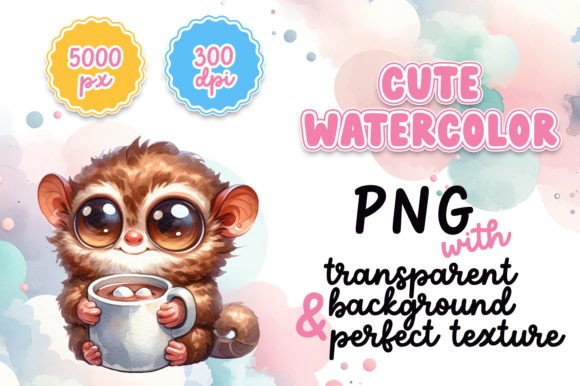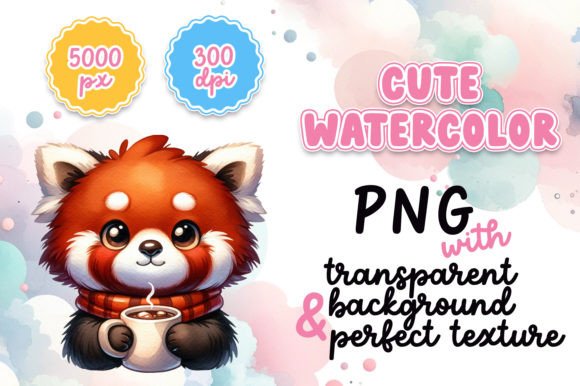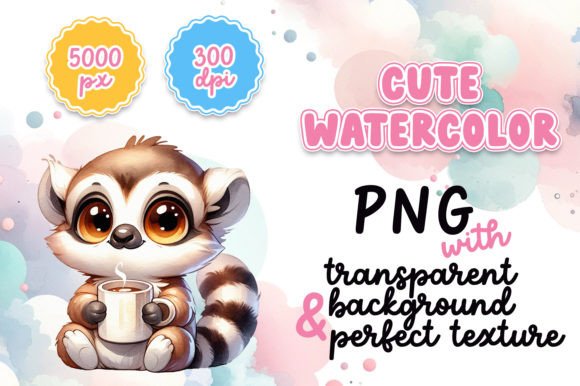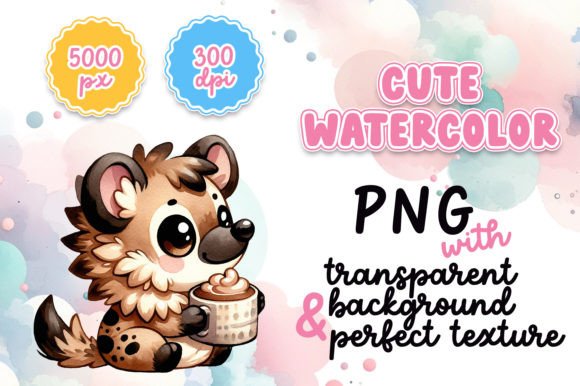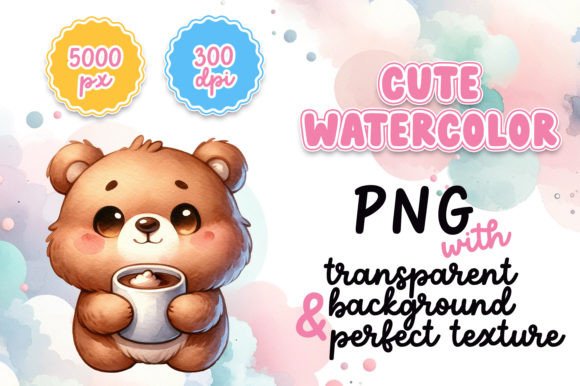
Cute Watercolor Bear with Hot Cocoa Illustrations
As a digital product creator who manages multiple storefronts across Etsy and Creative Fabrica, my evaluation process for any new graphic design asset is strictly business-oriented. When I first opened the file for Cute Watercolor Bear with Hot Cocoa, I wasn't just looking at a pretty picture; I was assessing its commercial viability for the upcoming winter season. The immediate impression is one of soft, nostalgic warmth. Unlike the hyper-saturated, cartoonish clipart that often floods the marketplace, this illustration carries a gentle, hand-painted aesthetic that appeals to buyers seeking premium, cottagecore, or nursery-style visuals. The mood is undeniably cozy, striking a balance between playful and elegant that makes it suitable for both children’s products and adult stationery.
For sellers in the handmade business space, visual personality is everything. This specific asset avoids the generic look of mass-produced AI art by retaining visible brush textures and organic color blending. From a niche appeal perspective, it targets the high-demand "hygge" and winter comfort demographic. Buyers browsing for holiday card templates or seasonal planner stickers are often looking for this exact emotional trigger. As an experienced seller, I can confirm that assets with this level of textural detail tend to convert better because they perceive higher value than flat vector graphics.
Commercial Applications Across Product Categories
Evaluating Cute Watercolor Bear with Hot Cocoa requires testing it against real-world product scenarios before listing. In my shop, I would categorize this as a versatile anchor element for a broader winter collection. For print-on-demand sellers, this illustration is ideal for ceramic mug designs and tumbler wraps. The composition centers the subject effectively, leaving adequate negative space for personalization or additional text, which is crucial for customizable Etsy products. When applied to apparel, specifically sweatshirts and baby onesies, the watercolor style translates beautifully to direct-to-garment printing, provided the file resolution is sufficient.
For those focused on digital downloads and printable design, this asset serves as a cornerstone for greeting cards and invitation templates. I tested placing the bear within a Canva template alongside serif and handwritten fonts. The organic edges of the watercolor blend seamlessly with script typography, creating a cohesive brand identity for wedding or holiday stationery. Cricut users should note that while this is primarily a raster illustration, it works exceptionally well for Print-then-Cut sticker design. However, if you intend to sell SVG design files for vinyl cutting, ensure you have a clean vector trace or a pre-cut version, as complex watercolor gradients do not translate to standard vinyl layers without significant simplification.
Beyond physical merchandise, this graphic design asset has strong potential for social media graphics and blog headers. Content creators and influencers often purchase themed bundles to maintain visual consistency during seasonal campaigns. Using Cute Watercolor Bear with Hot Cocoa as a recurring motif in Instagram stories or Pinterest pins helps build recognition and trust. It also functions perfectly as decorative filler in digital planner kits or scrapbooking sets, where buyers expect high-resolution PNG design elements with transparent backgrounds.
Optimizing Listing Presentation and Visual Hierarchy
A beautiful illustration will not sell itself; presentation is key in a crowded creative marketplace. When preparing listing images for Cute Watercolor Bear with Hot Cocoa, I prioritize mockup previews that reflect actual usage. Do not simply display the raw file on a white background. Instead, showcase the design on a textured paper mockup for wall art or wrapped around a 3D mug render. This visual storytelling bridges the gap between a digital file and a tangible product, significantly increasing perceived value and click-through potential.
Thumbnail appeal is another critical factor. This illustration has excellent visual hierarchy due to its central focal point and warm color palette. It stands out in search results against darker or more chaotic competitors. For product bundles, use this bear as the hero image to drive traffic, then include supporting elements like cocoa cups, marshmallows, or pine branches to justify a higher price point. Consistent branding across your shop using this style signals professionalism to small business branding clients who may be looking for exclusive licensing or custom work later.
Technical Limitations and Usage Precautions
While Cute Watercolor Bear with Hot Cocoa is a strong commercial design, it is not universally applicable. Experienced sellers know that understanding where an asset fails is as important as knowing where it succeeds. Use caution when scaling this down for tiny sticker details or intricate jewelry tags. Watercolor relies on texture; reducing it too much results in a muddy, pixelated appearance that looks unprofessional. Similarly, avoid placing this illustration on dark backgrounds unless it has been specifically designed with a light halo or outline. The soft edges typical of watercolor can disappear into dark fabrics or paper, ruining the contrast necessary for visibility.
For Cricut project creators and Silhouette users, verify the cut lines before selling physical items. If the PNG design includes faint splatters or semi-transparent washes, automated cutting software may struggle to detect the boundary, leading to jagged edges or wasted material. Always test cut a sample before offering it as a finished decal or sticker. Additionally, be mindful of text-heavy templates. Because this illustration has significant visual weight and detail, pairing it with overly ornate fonts can create a cluttered, unreadable layout. Stick to clean sans serif or simple serif typefaces to let the artwork breathe.
Seller Checklist for Quality Assurance and Licensing
Before publishing Cute Watercolor Bear with Hot Cocoa to your shop, run through a rigorous quality assurance checklist. First, verify the commercial license terms. Ensure you are permitted to use the asset for the specific end-products you intend to sell, especially if you are using it in print-on-demand services where the design is printed directly onto goods. Next, inspect the file resolution. For printable wall art and sublimation design, the file must be at least 300 DPI at the intended print size. Upscaling a low-resolution JPEG will result in customer complaints and negative reviews.
- Transparency Check: Open the PNG design in your editing software to ensure the background is truly transparent and free of white halos or artifacts.
- Color Accuracy: Test print the illustration on your primary substrate (paper, fabric, or vinyl). Screen colors often differ from CMYK output; adjust saturation if the cocoa tones appear washed out in print.
- Font Pairing: Create three distinct font combination samples (e.g., bold serif + delicate script) to demonstrate versatility to potential buyers.
- File Organization: If selling as part of a design bundle, organize files clearly with descriptive names. Customers appreciate logical folder structures over generic filenames.
- Mockup Testing: View your listing thumbnail at mobile size. If the bear loses definition or the text becomes illegible, adjust the crop or increase contrast.
Finally, consider the long-term value of this asset. Cute Watercolor Bear with Hot Cocoa is not just a single-use graphic; it is a foundational piece for building a seasonal brand identity. By integrating it thoughtfully across packaging design, promotional visuals, and core product lines, you maximize your return on investment. Successful digital selling isn't about uploading every file you own; it's about curating high-quality, commercially viable illustrations that solve a problem for your customer. This asset, when used with technical precision and strategic presentation, solves the need for authentic, heartwarming winter imagery in a market saturated with generic alternatives.